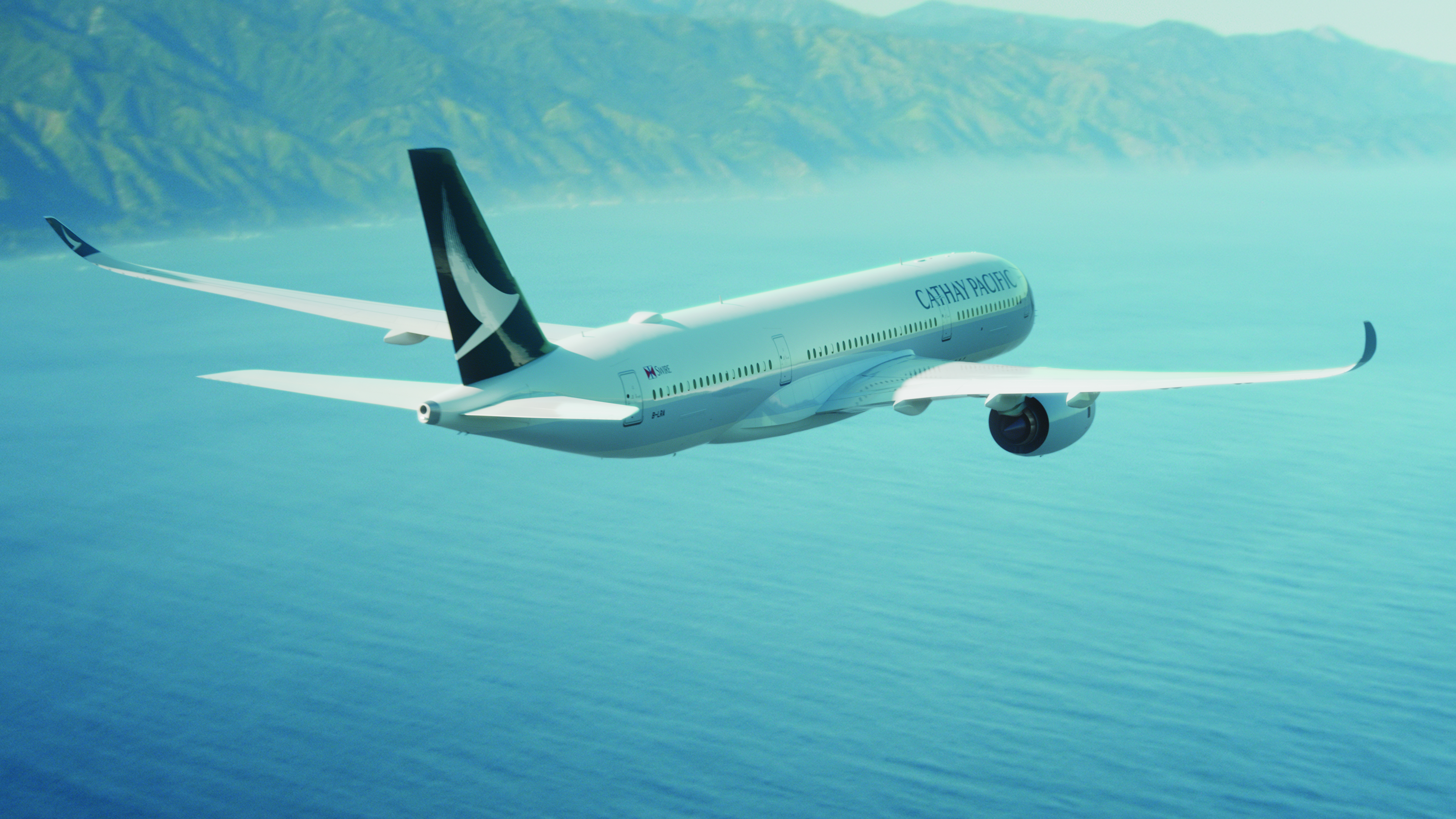
The international airline was originally planning to axe up to 8,000 staff, but reduced it to 6,000 after government intervention.
The airline will also remove another close to 2,600 unfilled positions, bringing the total tally of positions lost to 8,500.
With a total workforce of 33,000 staff, the 6,000 employees axed come to under 20% of its staff strength, signifying a smaller cut that what some other airlines have undertaken.
The cuts came after Cathay Pacific Group took up a government aid worth HK$27.3 billion (S$4.8 billion) in June, which came with the condition that the airline must appoint two government selected observers to the board to oversee the investment and protect taxpayers’ money.
According to the airline, affected staff will be offered “severance packages that go well beyond statutory requirements”, and extending medical benefits and staff travel entitlements, as well as providing counselling and job transition support services.
Cathay Dragon brand to cease
As part of the cost reduction programme, Cathay Pacific Group will also sunset its Cathay Dragon brand immediately.
Cathay Dragon
According to SCMP, Cathay Dragon has 48 aircraft primarily flying to mainland China and other regional destinations, including Kuala Lumpur, Okinawa and Dhaka.
While the regional airline will cease to exist, most of the airline assets and staff will be merged into the Cathay Pacific group to be redeployed.
The airline is also seeking regulatory approval for the majority of the regional carrier’s routes to be absorbed and operated by Cathay Pacific and budget carrier HK Express within the group.
It’s likely that HK Express may take over most of the the mainland China routes, particularly those served by the smaller A320 and A321s. Cathay Pacific will most likely take over destinations served by the A330s, although we may expect some of these destinations to close altogether given the slow recovery rate over the next couple of years.
Other cost measures
Cathay Pacific will also be implementing some other cost measures to bring down its cash-burn rate, including salary freezes and new union contracts for its cabin crew and pilots.
Cabin crew and pilots will be asked to change their collective agreement terms, most likely will result in lower wages, so that “their conditions of service which are designed to match remuneration more closely to productivity and to enhance market competitiveness”, according to Cathay Pacific.
Separately, Cathay Pacific will continue to cut their executives’ pay through 2021. For all staff, there will also be no salary increases across 2021.
The airline will continue to initiate another voluntary Special Leave Scheme for non-flying employees for the first half of next year.
CEO commentary
Cathay Pacific Chief Executive Officer Augustus Tang said: “The global pandemic continues to have a devastating impact on aviation and the hard truth is we must fundamentally restructure the Group to survive. We have to do this to protect as many jobs as possible, and meet our responsibilities to the Hong Kong aviation hub and our customers.
“Our immediate priority is to support those affected by today’s announcement. We are deeply saddened to part ways with our talented and respected colleagues, and I want to thank them for their hard work, achievements and dedication.”
“We have taken every possible action to avoid job losses up to this point. We have scaled back capacity to match demand, deferred new aircraft deliveries, suspended non-essential spend, implemented a recruitment freeze, executive pay cuts and two rounds of Special Leave Schemes.
“But in spite of these efforts, we continue to burn HK$1.5-2 billion cash per month. This is simply unsustainable. The changes announced today will reduce our cash burn by about HK$500 million per month.
“We have studied multiple scenarios and have adopted the most responsible approach to retain as many jobs as possible. Even so, it is quite clear now recovery is going to be slow. We expect to operate well under 25% of 2019 passenger capacity in the first half of 2021 and below 50% for the entire year.”
Final thoughts
This won’t be the last of downsizing by airlines, but it’s definitely saddening that yet another international airline is now forced to shed jobs and staff in a bid to stay afloat.
Cathay Pacific has earlier this week predicted that it will reinstate no more than 50% of its capacity by the end of 2021, and this will certainly mean that the network will be significantly reduced.
If anything, the cessation of Cathay Dragon may be the silver lining for the airline group in this pandemic.
By dropping the regional carrier, Cathay Pacific may be able to clearly segment their destinations between the mainline carrier and its budget arm HK Express, which may work out better for the group in terms of cost efficiencies and customer offering.
The regional carrier role of Cathay Dragon has long been questioned, given that the offering was similar to what is already on Cathay Pacific, making customers and investors wonder why there’s a need for two separate brands.
No quarantine required, but pre-trip Covid-19 tests and booking of ‘dedicated flights’ required if you want to go
In a surprise move, Singapore newly-minted Transport Minister Ong Ye Kung announced on Thursday (15 Oct) that it has confirmed a travel arrangement with Hong Kong to allow ‘general travel’ for residents between both countries.
The most salient point of this agreement is that there will be “no restrictions on travel purpose”, effectively making this the first leisure ‘green lane’ for Singapore and Hong Kong residents, since the COVID-19 closed most borders this year.
Travellers will be subject to Covid-19 PCR testings that are recognised by both governments, but will not need to serve any isolation requirements nor be subjected to movement restrictions under ‘controlled itineraries’. Travellers can also only travel on dedicated flights that only serve travellers under this Air Travel Bubble (ATB) arrangement.
No firm timeframe yet
Both governments have not confirmed nor indicated any firm date to start the ATB flights. However reports have suggested that the bubble could comments in ‘weeks’, even though Hong Kong needs to go through a legislative process first.
Airlines are gearing up, but not sure which will be ‘dedicated flights’
Given the ‘dedicated flight’ requirement under the ATB agreement, you definitely shouldn’t be rushing to book any flight given that airlines will almost certainly need to no firm details of those services or the airlines involved at this stage.
At present, there are about two flights a day between Singapore and Hong Kong:
Singapore Airlines is currently operating a daily service,
Cathay Pacific operates three services a week, while they are projecting to increase this to twice daily towards the end of year, and,
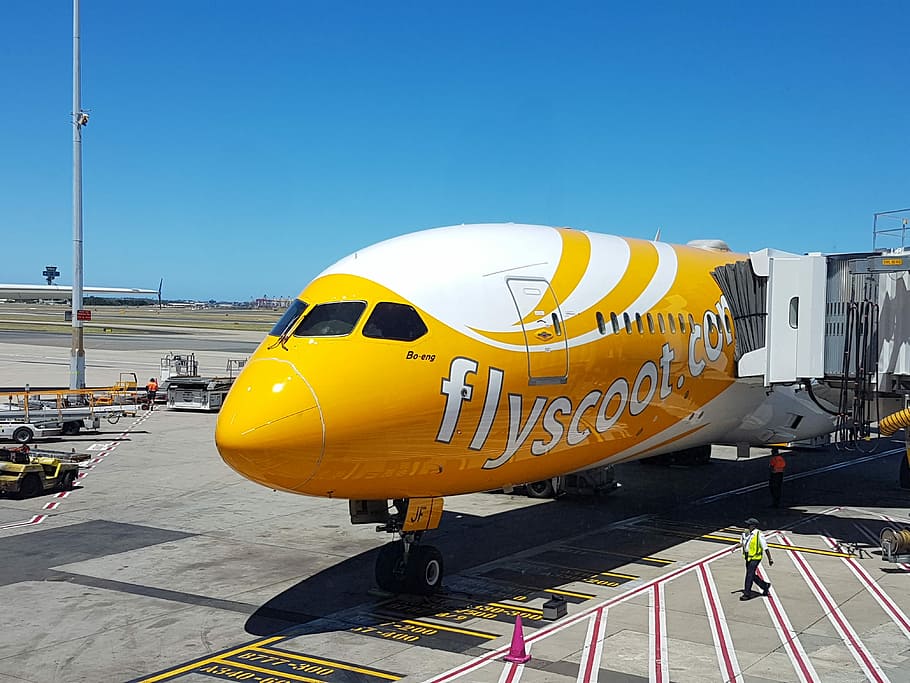
Scoot is operating three services a week at the moment.
Since the announcement of the ATB yesterday, economy class fares on SIA has already gone up to about S$530-S$588, depending on when you want to fly.
Our sense is that all three airlines will certainly offer these ATB dedicated flights, although it remains to be seen whether that means mounting additional services on top of those already published, or converting these existing frequencies to ATB-only passengers.
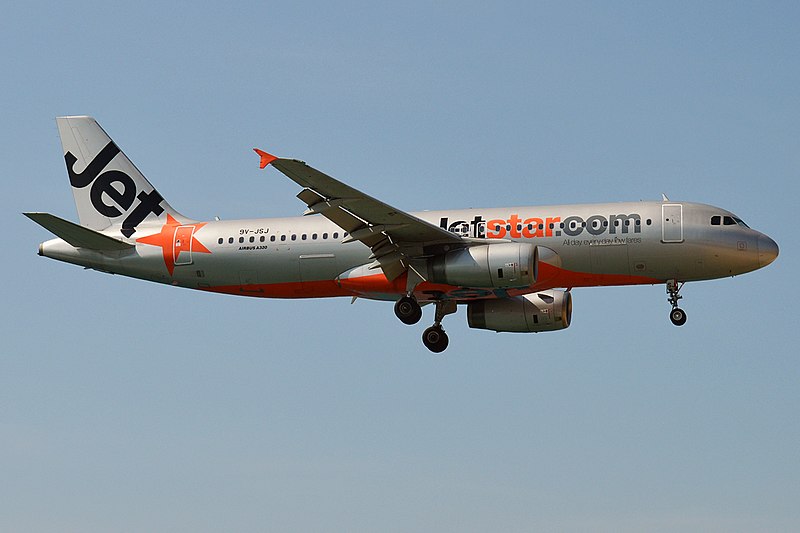
In addition, it may be possible that Jetstar Asia may throw their name in the hat as well to offer ATB flights, given that low-cost carriers are already point-to-point carriers, so meeting the ‘dedicated flight’ requirement will be an easy feat by Jetstar Asia.
It’s far too early to say whether these flights will be sold at a different fare level, or whether miles redemptions will be available for these flights. After all, Transport Minister Ong Ye Kung did mention that these fares will be a ‘commercial decision’, and that there will be a quota for the number of travellers allowed on these flights per day.
Final thoughts
This might just be the first sign of light in a very long tunnel of 2020.
More importantly, the ATB, once began, will help to pave the way for similar arrangements with hopefully more countries, and giving a much needed reboot to tourism sector.
Jetstar will serve eight cities across Southeast Asia in October, operating over 100 flights in the month.
While the number of destinations has not increased over September, Jetstar Asia will operate more flights this month, with increases in frequency to Jakarta and Kuala Lumpur.
The eight cities it will serve in October are:
Cambodia: Phnom Penh
Indonesia: Jakarta
Malaysia: Kuala Lumpur, Penang
Thailand: Bangkok
The Philippines: Clark, Manila
Vietnam: Ho Chi Minh City
The full schedule
Sector
Flight no.
Days of ops
Dep
Arr
Flight time
Aircraft
Singapore – Bangkok^
3K513
Mon, Fri
1910
2040
2h 30m
A320
Bangkok – Singapore
3K514
Mon, Fri
2120
0050(+1)
2h 30m
A320
Singapore – Clark*
3K775
Wed
0920
1300
3h 40m
A320
Clark – Singapore*
3K776
Wed
1400
1740
3h 40m
A320
Ho Chi Minh City – Singapore@
3K556
Sat
0855
1155
2h
A320
Singapore – Jakarta
3K201
Mon, Thu, Sat
0755
0900
2h 5m
A320
3K205#
Sun
2000
2055
1h 55m
A320
Jakarta – Singapore
3K202
Mon, Thu, Sat
0940
1240
2h
A320
3K206#
Sun
2135
0025(+1)
1h 50m
A320
Singapore – Kuala Lumpur
3K663
Wed, Sun
0935
1040
1h 5m
A320
3K685
Thu, Sat
1250
1355
1h 5m
A320
Kuala Lumpur – Singapore
3K664
Wed, Sun
1120
1230
1h 10m
A320
3K686
Thu, Sat
1440
1545
1h 5m
A320
Singapore – Manila*
3K761
Tue
0615
0950
3h 35m
A320
3K765
Sat
1725
2100
3h 35m
A320
Manila – Singapore*
3K762
Tue, Fri
1030
1410
3h 40m
A320
3K766
Sat, Sun
2140
0120(+1)
3h 40m
A320
Singapore – Penang
3K675
Sun
1510
1650
1h 40m
A320
Penang – Singapore
3K676
Sun
1715
1840
1h 25m
A320
Singapore – Phnom Penh
3K593
Fri
1325
1440
2h 15m
A320
Phnom Penh – Singapore
3K594
Fri
1525
1825
2h
A320
Notes: *Passengers on flights to and from The Philippines will be required to wear face shields ^Flights to Bangkok will commence from 26 Oct 2020 @Flights from Singapore to Ho Chi Minh City are cargo-only flights #Commencing 18 Oct 2020
Jetstar Fly Flexible policy
Jetstar Asia has introduced a one-time free date change for even its most basic booking. This applies for flights bought through its website between 7 Mar and 31 Oct 2020, for travel before 31 Dec 2020. However, any fare difference will need to be covered. Note that changes should be made before check-in opens.
Having said that, you should only be travelling if you are returning to your home country, or if you have pre-approval to fly. Jetstar Asia is currently not approved for transit in Singapore, so customers who wish to travel via Singapore with Jetstar will need to look for alternative arrangements.
Final thoughts
Jetstar Asia is still fairly conservative in its planning, but without feeder traffic from key long-haul partners, they will be hard pressed to fill the flights. Jetstar Asia is already looking at a much smaller footprint even after Covid-19, given that it has reduced its fleet to just 13 aircraft, down from 18.
As such, we expect Jetstar’s services to continue to remain low for the coming months, and expansion will be modest until and unless leisure travel starts resuming.
Lunchtime on A380s, tour of training facility, and home delivery of in-flight meals to be rolled out in October and November for Singapore customers. The big question is: how much will these experiences cost?
Singapore Airlines yesterday officially confirmed that it will not be launching sightseeing flight-to-nowhere, but instead focus on offering on-ground experiences in the upcoming months.
The three experiences will still leverage the use of its A380 aircraft, but in a different way. On top of that, SIA will also offer home delivery of its famed catering, as well as its training facility at Upper Changi.
Singapore Airlines scrapped flights to nowhere after huge media discussion
Singapore Airlines was rumoured to launch ‘flights to nowhere’ weeks earlier, following news of other airlines launching similar flights.
Singapore Airlines has confirmed today that it will not pursue the “flight to nowhere”, much to the disappointment to many fans who have been anticipating it.
In the weeks leading up to yesterday’s announcement, there were much abuzz about the environmental impact of such flights, with protests by environmental groups locally as well as forum letters arguing for and against such flights.
Discover your Singapore Airlines
Singapore Airlines will be offering three experiences for customers in Singapore, namely: Restaurant A380 @Changi, Inside Singapore Airlines, and SIA@Home.
Restaurant A380 @Changi
Available on: 24 & 25 October 2020 (Sat & Sun) Booking from: 12 October 2020 (Mon)
For two days only, you will be able to step onto a plane and have a meal, although the plane will not be moving anywhere.
This event will allow customers to have “an exclusive dining experience with SIA’s award-winning service inside the Airbus A380, the world’s largest passenger aircraft”.
For this experience, customers will enjoy a special menu, featuring international options as well as selected Peranakan dishes curated by Singaporean chef Shermay Lee. Customers will also get two alcoholic beverages and free flow non-alcoholic drinks with the meal.
Dining on an A380…. on the ground. (photo credit: Singapore Airlines)
In addition, SIA will also be switching on its in-flight entertainment system KrisWorld, so you can do the rude thing by putting on your headphones and tune out of the world while you eat.
Adding on to the experience, customers will also get to visit a heritage showcase of SIA’s uniforms through the years, as well as go on an aircraft tour (limited slots only).
Singapore Airlines has confirmed that it will be using the A380 with the latest cabin products for this experience, so customers will be able to see the latest business cabins and suites. However, that means that there will only be six exclusive suites used for the experience, which will be highly sought after.
Singapore Airlines A380 suite (photo credit: Singapore Airlines)
How much will this likely to cost?
SIA’s A380 with the latest seat configuration can seat a maximum of 465 passengers across four cabins: 8 suites, 82 business, 44 premium economy and 343 economy class. Factoring in social distancing, it’s more likely that SIA will host only possibly a third of that number.
Given that in-flight meals usually cost a premium (a simple steak can cost up to S$50 to be loaded on the aircraft), the experience probably wouldn’t come too cheap. Also, given that alcohol is served on the ground, SIA will have to pay duty on all the booze that are served for this lunch as well.
There are also some other costs associated with hosting this event, including the operational costs of keeping the aircraft running while on tarmac, manpower costs, security costs (you will need to be escorted to the aircraft presumably) and of course, the souvenirs.
Our guess for the Restaurant A380 @Changi pricing will be as such:
Available on: 21, 22, 28 & 29 November 2020 (Sat & Sun) Booking from: 1 November 2020 (Mon)
This is essentially a back-of-house tour at the SIA Training Centre located off New Upper Changi Road. The tour will include:
A visit to the heritage gallery
A look into the training area for cabin crew and pilots
Sustainability showcase
Craft activities such as balloon sculpting and batik rose-making
A look into Singapore Airlines’ training centre (photo credit: Singapore Airlines)
There are also some additional activities that comes with a fee, including a hand at the flight simulator. The activity descriptions provided by SIA are as follow:
Satisfy your in-flight cuisine cravings: Choose from a selection of our popular in-flight meals, including our all-time favourite satay, at any time during their visit. Visitors may earn miles for these in-flight meals too, when they use KrisPay.
Indulge in retail therapy: Visitors can get great deals on KrisShop merchandise, including airline exclusive products. Visitors can download the KrisPay app for contactless payment, and to earn KrisPay miles with their purchases.
Flight simulator experience: For aviation enthusiasts, this is a not-to-be-missed opportunity to experience the training that goes behind being a pilot. Become the pilot in command and go from take-off to landing in the very same flight simulator our pilots use for training. Very limited slots will be available on each day.
Junior cabin crew experience: Little ones can turn into junior cabin crew for a day in this memorable experience, where they can get a chance to dress up and take home their very own SIA sarong kebaya uniform, learn customer service skills, and role-play in a mock-up of our A380 Business Class cabin.
Wine appreciation: Learn about the SIA wine sourcing approach and enjoy four wines – including labels from the largest Burgundy cellar in the skies – accompanied with cheese. Designed for wine enthusiasts and conducted by our air sommeliers.
Grooming workshop: Those who have always admired the impeccable grooming of our cabin crew can learn how to achieve the Singapore Girl look in this workshop conducted by our cabin crew trainers. Participants will be guided through a demonstration on makeup application and the secret behind the perfect Singapore Girl chignon. Customers will also bring home their own makeup palette at the end of the session.
Try your hand at the SIA flight simulator (photo credit: Singapore Airlines)Grooming workshop (photo credit: Singapore Airlines)
How much will this likely to cost?
SIA Training Centre can obviously host a lot more people than the Restaurant A380 @Changi initiative, so I will imagine that pricing will be a lot friendlier.
As reference, Changi Airport has a 2.5-hour “Best of Changi Airport” tour conducted by Tour East, and is retailing on Klook for $22.
Flight simulator experiences are actually available in Singapore commercially, albeit at a rather steep price. Flight Experience offers the use of its Boeing 737 simulator from $175 for 30 minutes, moving up to $395 for 90 minutes.
Kidzania (while it was still operating) used to charge $58 per child, so one can assume that SIA will make a premium out of this experience for the kids. After all, parents are known to be willing to spend quite a bit on their little ones. Qantas has also not too long ago sold children sized cabin crew uniforms, retailing at about A$70 per set.
Our guess for the Inside Singapore Airlines pricing will be as such:
Junior Cabin Crew experience: $100-$120 per child, including sarong kabaya
Wine appreciation session: $30-$40 per person
Grooming workshop: $120-$150, including makeup palette
SIA@Home
Booking from: 5 October 2020 (Mon)
The last option probably requires the least effort on your part, simply because all you need to do is to book online and everything will be sent to your home.
SIA@Home is essentially a home food delivery service, except this time you will be feasting on SIA’s in-flight business and first class fare, along with wines and if you wish, on SIA’s dinnerware and glassware.
SIA@Home (photo credit: Singapore Airlines)
There will be a choice of 10 options to choose from, deisnged by SIA’s international culinary panel chefs and inspired from four destinations: Australia, Japan, France and India. Meals will also be paired with a choice of wine or champagne that has been selected by its wine panel experts.
SIA will be offering the following bundles, all of which will include amenity kits:
Package
Inclusions
Wine and Dine
– First Class or Business Class meal for two based on your choice of menu – Wine options: One bottle of Burgundy red or white wine (for first class), One bottle of French wine or brut champagne (for business class) – Two amenity kits
Champagne and Dine
– First Class meal for two based on your choice of menu – One bottle of 2008 Dom Perignon champagne – Two Lalique amenity kits
Wine, Dine and Tableware
– First Class meal for two based on your choice of menu – One bottle of Burgundy red or white wine – Two Lalique amenity kits – One 22-piece tableware set (Wedgwood dining ware and Lalique crystal ware)
All-Inclusive First Class Experience
– First Class meal for two based on your choice of menu – One bottle of Burgundy red or white wine – One bottle of 2008 Dom Perignon champagne – Two Lalique amenity kits – Two sleeper suits – One 22-piece tableware set (Wedgwood dining ware and Lalique crystal ware)
All-Inclusive Business Class Experience
– Business Class meal for two based on your choice of menu – One bottle of French wine or brut champagne – One 22-piece tableware set (Narumi dining ware) – Two Penhaligon’s amenity kits
First Class Signatures
– Two servings of signature First Class Oscietra caviar – Two servings of satay – One bottle of 2008 Dom Perignon champagne – Two Lalique amenity kits
Lalique amenity kits (photo credit: Singapore Airlines)Singapore Airlines first class dinnerware (photo credit: Singapore Airlines)
Once purchased, Singapore Airlines will send its ‘cabin crew concierge’ to contact you for the meal and wine selection, as well as delivery dates.
SIA has also put together a digital guide to assemble the meal, as well as provide an interactive “360 degrees aircraft cabin videos” and “specially curated playlist” while you enjoy your meal.
If you are feeling fancy, there’s also the option of ‘Book-the-chef’ where you can hire an exclusive chef experience to reheat, plate and serve your meal, although I’m pretty sure if you have any cabin crew friends who has galley experience, he or she might be able to able to do the job.
How much will this cost?
Now this is a tricky one.
In-flight meals are typically expensive compared to other forms of catering, not because of the ingredients, but because of the technology and process of preparing it long ahead of time, while ensuring that its safe and good for consumption in-flight. In addition, there’s wastage to account for.
An economy class meal can cost anything between $15 to $20 for the airline, while all components of a business class meal service can hit north of $100.
However, for a home delivery model, the cost will come down significantly, and that’s if SIA worked out a special arrangement with its ground handler.
For wines and champagne, the selection will not be cheap. A 2008 Dom Perignon retails above $200 in Singapore, so you can imagine this will be the heavy component of the bundle.
As for amenity kits and dining ware, airlines typically purchase them in bulk at a good rate, so the cost to the airline is nominal. Case in point: when SIA was doing a staff sale for some of its service wares and pyjamas, large business class plates were going at S$2 a piece, while the PJs were going for $218 for a box of 10 sets. Having said that, the retail value of these item will be significantly higher, with a set of Wedgwood dinnerware typically going for upwards of $100.
Our guess for the SIA@Home pricing will be as such:
– First Class or Business Class meal for two based on your choice of menu – Wine options: One bottle of Burgundy red or white wine (for first class), One bottle of French wine or brut champagne (for business class) – Two amenity kits
First Class: $280 $498 Business class: $160 $288
Champagne and Dine
– First Class meal for two based on your choice of menu – One bottle of 2008 Dom Perignon champagne – Two Lalique amenity kits
$400 $598
Wine, Dine and Tableware
– First Class meal for two based on your choice of menu – One bottle of Burgundy red or white wine – Two Lalique amenity kits – One 22-piece tableware set (Wedgwood dining ware and Lalique crystal ware)
$480 $638
All-Inclusive First Class Experience
– First Class meal for two based on your choice of menu – One bottle of Burgundy red or white wine – One bottle of 2008 Dom Perignon champagne – Two Lalique amenity kits – Two sleeper suits – One 22-piece tableware set (Wedgwood dining ware and Lalique crystal ware)
$680 $888
All-Inclusive Business Class Experience
– Business Class meal for two based on your choice of menu – One bottle of French wine or brut champagne – One 22-piece tableware set (Narumi dining ware) – Two Penhaligon’s amenity kits
$360 $448
First Class Signatures
– Two servings of signature First Class Oscietra caviar – Two servings of satay – One bottle of 2008 Dom Perignon champagne – Two Lalique amenity kits
$400 $498
Final thoughts
These are exciting times, isn’t it? It’s rather refreshing to hear that SIA is indeed listening to the conversations both on- and offline, and offering alternatives.
While the abortion of flights-to-nowhere were indeed a killjoy to many avgeeks who can’t wait to take to the skies again, the plethora of activities the carrier has offered in lieu of that is pretty significant.
Most of us would have been grounded for more than a year, and I can imagine that the very limited seats – maybe up to 600 tickets for the two-day Restaurant A380 @Changi event – will be snapped up in minutes. SIA has said that they will review after the events and decide if they want to add more dates after that.
We are personally more interested to find out how much will these experiences cost, and how fast they sell. When Qantas put its Boeing 747 fully stocked carts out on sale, all 1,000 carts were sold in 2 hours – a pretty hefty feat. Given SIA’s cult-like following, I would imagine almost the same.
Low-cost carrier Scoot will serve a total of 20 cities in 8 countries & territories from Singapore over the next two months, it said in an update today (24 September).
The SIA Group’s budget subsidiary will be operating between 170 to 180 flights over the next two months, its largest network since April when there were only two destinations.
Having said that, some of the 20 destinations will continue to be served only sparingly, either by a weekly service, or less frequently.
Destinations
The two new destinations commencing October are Semarang in Indonesia and Tianjin in China. Semarang was originally served by Silkair before services were suspended, and was scheduled to start in July as part of the transition from Silkair to Scoot.
While these are new destinations, they aren’t much of an addition: Semarang will only see a single service in October (with none in November), while Tianjin will see only three return services over the next two months.