Spend up to three hours at this public area lounge with your Priority Pass or DragonPass
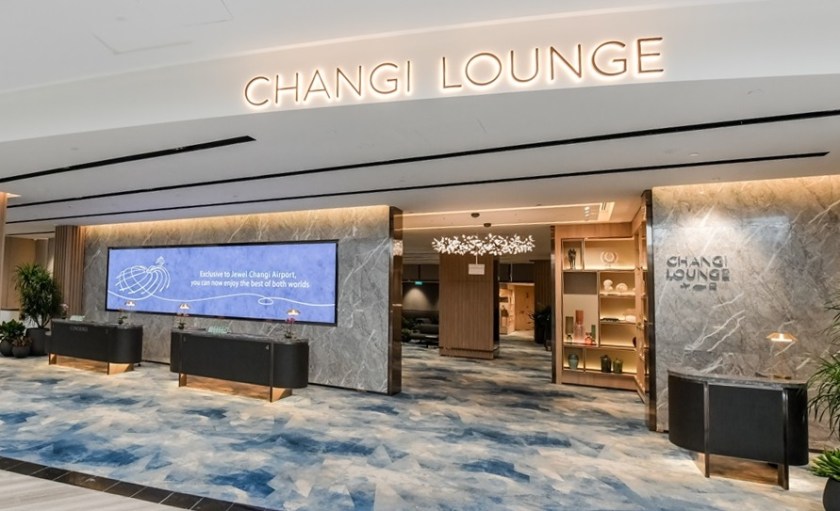
Three months after opening, Changi Lounge at Jewel Changi Airport is finally accepting third-party lounge pass programmes for admission.
If you are holding a valid Priority Pass or DragonPass membership (which is fairly easy to gain in Singapore as many credit cards offer one), you may use them at Changi Lounge with immediate effect.
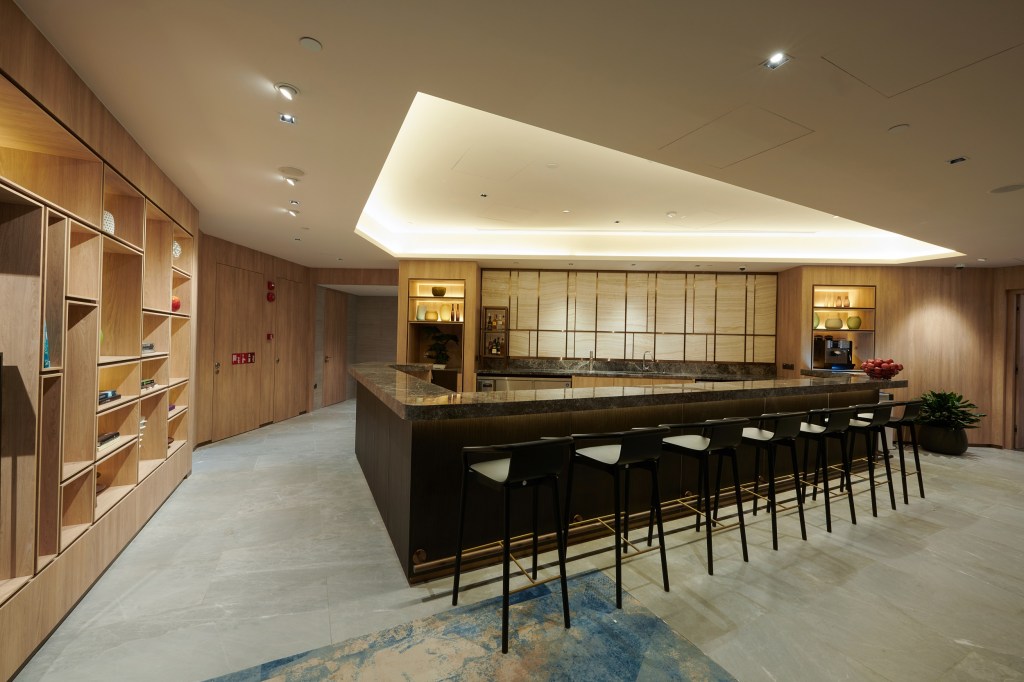
Changi Lounge – Bar area
As this lounge is in the public area, you will be required to show a valid same-day boarding pass to be able to use the lounge. That unfortunately means you can’t just walk in and use the lounge anytime you are in Jewel!
For Priority Pass, you will only be able to access the lounge 4 hours before your flight (e.g. if your flight is at 5pm, you can only enter the lounge at 1pm), while for DragonPass, you can access it any time during the same day for a maximum of three hours per visit.
Walk-in rates
If you unfortunately do not hold any of the passes mentioned above, you can still use the lounge for a fee.
Three hour admissions are priced as follow:
Rates for three hours (SGD)
Adult
Child
Without shower
$38
$27
With shower
$50
$39
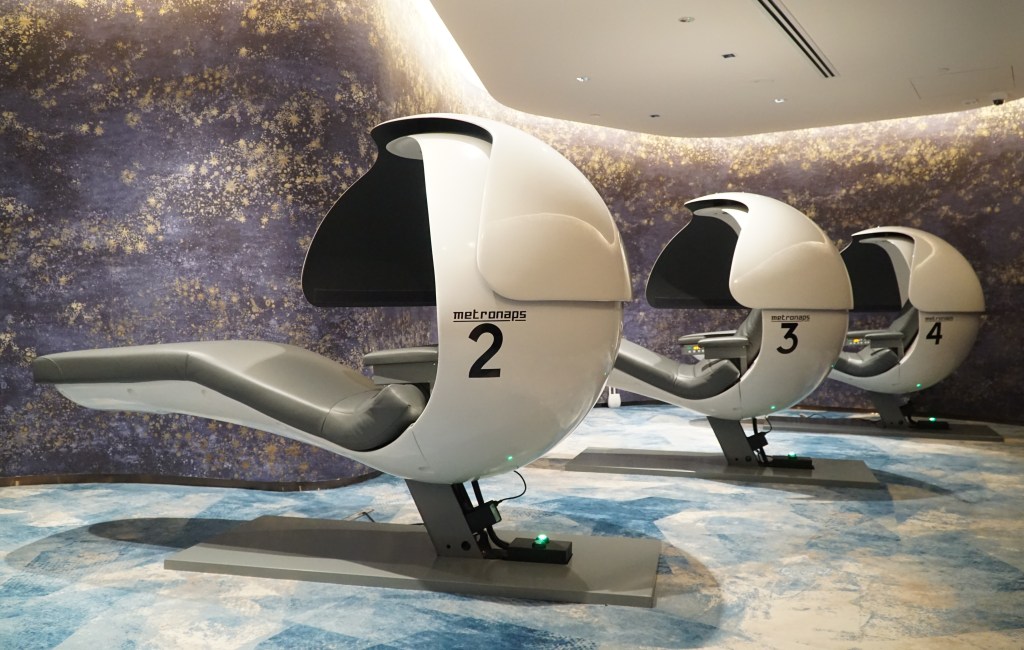
Nap pods are available for an add-on, which are $34 for the first hour and $20 per subsequent hour.
Singapore Airlines announced earlier this week that it will finally be refreshing all of its lounges at Singapore Changi Airport Terminal 3.
The suite of lounges – including the Private Room, the SilverKris lounge, and the Krisflyer Gold lounge – will progressively undergo refurbishment from August 2019 and will be completed by mid-2021.
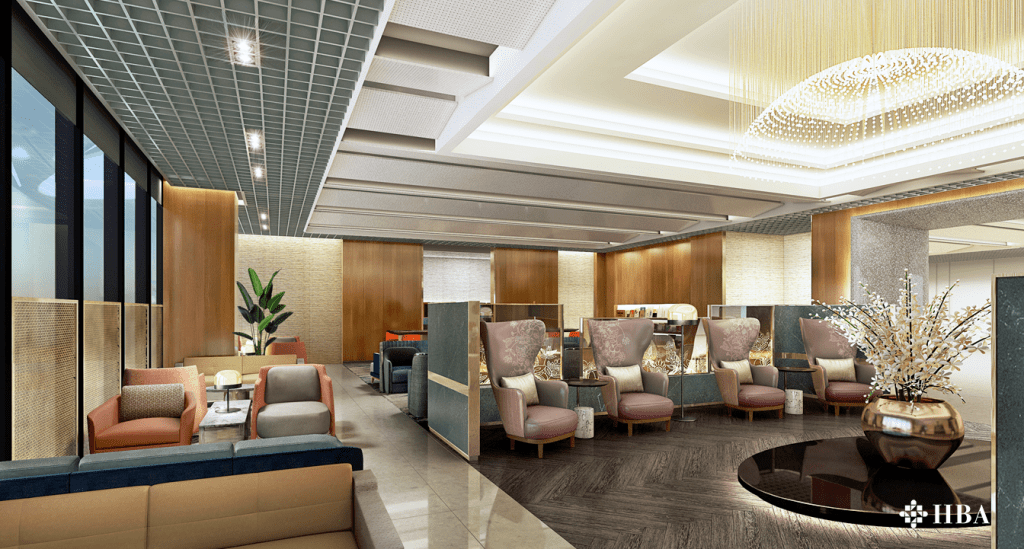
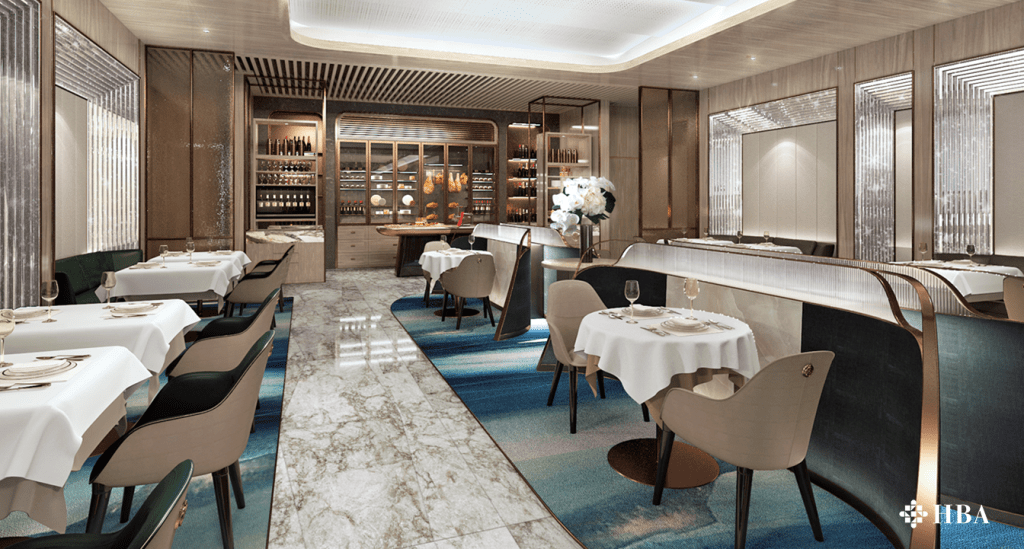
The new lounges, to be designed by international hospitality design firm Hirsch Bedner Associates, is touted by SIA to “inject a fresh look and feel to each lounge that is modern yet homely, while inspiring a sense of timeless elegance”.
SilverKris Business Class Lounge
The Changi Airport Terminal 3 SilverKris Lounge will be the first to be renovated, commencing August 2019. The lounge will be expanded finally, making way for more customers and easing off the late evening crowds.
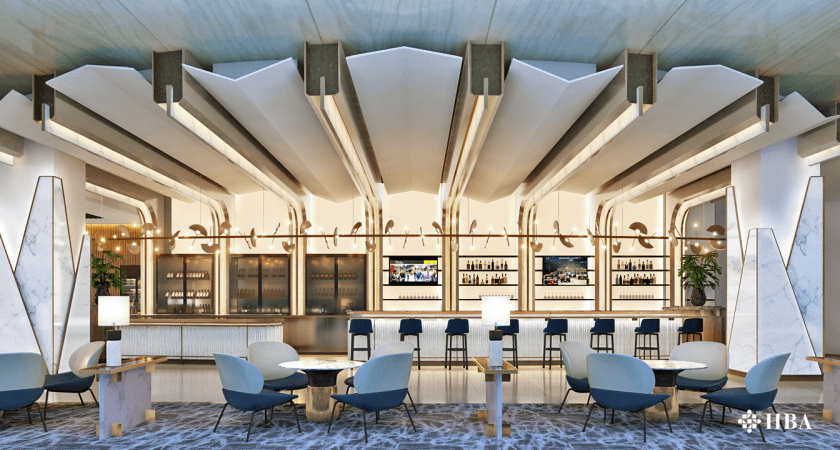
Artist’s impression of new business class lounge
The new Business Lounge will be styled into four zones:
A relaxed cafe zone for short transits
A dining hall featuring a full selection of Asian and international cuisine
A full service bar (which is previously only available in the first class section), which also doubles up as a breakfast bar in the mornings
A productivity and rest area, decked with productivity pods for your business needs and chaise chairs for a quick nap before your flight
Krisflyer Gold Lounge
For all the Star Alliance Gold members out there who are constantly frustrated with how lacklustre this lounge is, the upgrade will boost the current footprint of the lounge to twice the current size.
Most importantly, SIA is finally putting in restrooms and showers into the Krisflyer Gold Lounge. That’s a piece of development that’s deeply welcomed, and also a long overdue addition.
SilverKris First Class Lounge & The Private Room
The first class lounge will be refreshed, offering “carefully designed luxurious and intimate seating spaces suitable for both work and rest”.
Artist’s impression of The Private Room
SIA didn’t add many other details, except that it will still have its own flagship bar. My view is that if it’s now available in both the first and business class, it really isn’t much of a flagship anymore, isn’t it?
I’m not sure about you, but I’m really not sure how ‘careful’ a luxury design might look like. Intricately-designed embroidered armchairs? Hand-painted crockeries? High-tech booth seating that reads your mind on what you’ll like to eat and have them served in five minutes? I’m curious.
Interim arrangements
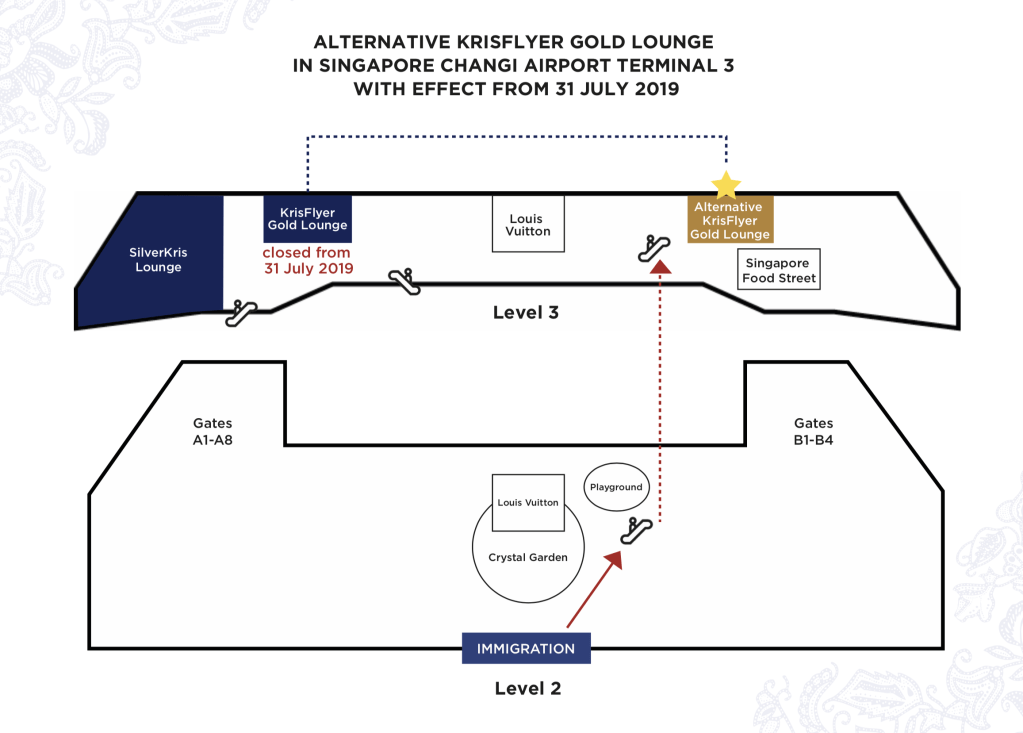
To facilitate lounge access during the upgrading works, it seems like SIA will be making use of the existing Krisflyer Gold Lounge for its SilverKris lounge users. The current Krisflyer Gold Lounge will be closed from 31 July 2019 all through to 2021, when the upgrading works are completed.
Eligible customers of Krisflyer Gold Lounge will be directed to a ‘temporary Krisflyer Gold Lounge’ on the other side of the terminal.
Final thoughts
If SIA’s latest SilverKris lounge refreshes in Bangkok and Hong Kong are anything to go by, I’m pretty much excited by how the new lounge will present itself.
SIA has an impeccable record for treating its topmost tier customers right: the Private Room is one such testimony and I expect this to continue to be the headliner. But as you go down one cabin, the long-time business class travellers will tell you that the treatment is no longer special. Today, when you head into any SIA SilverKris lounge, a common refrain you will hear is that the lounge is well worn, and the softer offerings are also pretty much mediocre as compared to what other airlines offer.
Closer ties will see both airlines expand codeshare arrangements, enhancements on frequent flyer programmes as well as maintenance, repairs and overhaul (MRO) services.
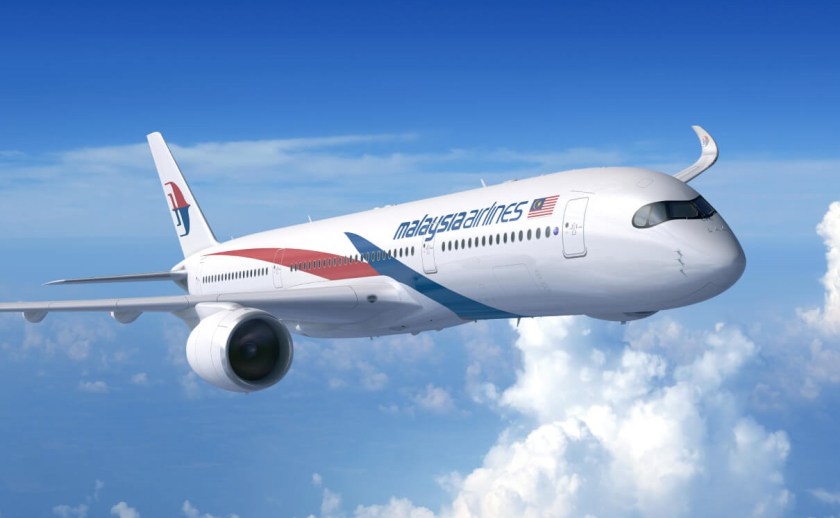
Singapore Airlines signed a Memorandum of Understanding with Malaysia Airlines earlier this week (27 June 2019) to ‘significantly step up cooperative ties’.
While the media release did not specify anything concrete (as with most MOUs), it broadly mentioned three areas of collaboration:
Expanding codeshare arrangements beyond the current Singapore-Malaysia services;
Enhancing both airlines’ frequent flyer programmes
Cargo
MRO services
All of the above are subject to government and regulatory approvals, and more details will be announced down the road when a proper agreement is signed.
Coming full circle?
If you are somewhat an avid fan of Singapore Airlines, you will know that the carrier has its roots in Malaysia-Singapore Airlines, or MSA. The joint airline was formed in 1966 as a collaboration between both Singapore and Malaysia governments after the independence of Singapore.
Regretfully (or perhaps fortunately to some), the partnership didn’t last very long before they went separate ways in 1972 owing to bilateral tensions as well as differing visions on the airline by both governments.
This partnership may seem like long time coming for many observers, but it’s highly unlikely that it will return to the MSA days in the near future.
Malaysia Airlines for one, has gone through a pretty rough patch in recent history. After suffering two fuselage losses within the same year (MH370 and MH17), the airline has been struggling to get back on its feet.
Despite numerous attempts and the change in several chief executives, Malaysia Airlines never did recover and is still loss-making. Today, it is largely funded by the Malaysian government. Most recently, Malaysian prime minister Dr Mahathir did suggest that it was studying whether it could “shut, sell or refinance” the airline.
So what’s next for customers?
For starters, Singapore Airlines’ customers can expect to see more codeshare services on Malaysia Airlines, particularly those out of Kuala Lumpur. As Singapore Airlines Group service practically all of Malaysia Airlines’ destinations, this shouldn’t be much of an issue for most Singapore-based customers.
The more critical piece is probably the frequent flyer piece. Singapore Airlines’ Krisflyer programme and Malaysia Airlines’ Enrich have fundamentally very different mechanisms for both earning and burning miles, so a collaboration will take some time to work out in order to ensure equity.
Both Singapore Airlines and Malaysia Airlines are also currently in different alliances, which limits the extent of earning miles on each others’ programmes. We will be looking out for developments on this front.
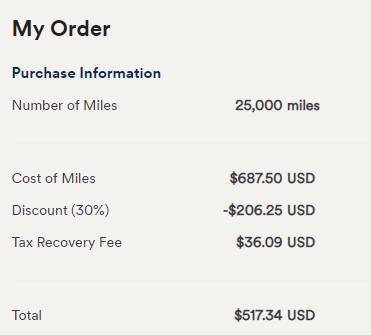
Alaska Air is now doing a flash sale from now until 1 July 2019 2.59pm (30 June 2019, 11.59pm PST).
Unlike previous sales where they offer 40% bonus miles (sometimes up to 50%), Alaska Air is now offering a 30% straight up discount off the purchase price.
Offer type
Effective discount
40% bonus miles
28.6%
50% bonus miles
33.3%
30% discount
30%
So if you look at the table above, you will see that a 30% discount is slightly higher than a 40% bonus, so this is a good middle ground between a 40 to 50% bonus offer.
There is a minimum number of miles you have to purchase before you enjoy the discount, and apparently this minimum differs from person to person. You will have to log into your account to see what you are targeted with. Personally I’ve been targeted with the offer provided I buy a minimum of 20,000 miles.
What are they good for?
For the uninitiated, Alaska Air has amassed quite a good portfolio of partners to earn and redeem miles on, including Japan Airlines (JAL), Cathay Pacific, Emirates and more.
One of the most widely known sweet spot with this programme is the ability to book a quasi-return trip on JAL in business class for only 25,000 miles. Specific to this promotion, that means you can buy it for US$517.34, which is an absolute steal for a ‘return’ business class trip.
How to book the ‘return’ trip on Japan Airlines:
Japan Airlines (JAL) charges only 25,000 miles for intra-Asia itineraries involving a maximum of 1 stop, to count it as a ‘one-way’ journey. Alaska Air also allows for a stopover, i.e. staying in the intermediate point for more than 24 hours.
Using the rule above, you can technically book something like, Bangkok to Singapore via Tokyo on JAL business class, which will only cost you 25,000 miles because it is technically a one-way itinerary. All you need to do is to buy another (cheaper) ticket to Bangkok to start your journey.
Another sweet spot is that JAL allows for open-jaw booking, so you can booking something like Bangkok-Osaka, then Tokyo-Singapore in a same journey.
Return trip within Asia on JAL for only 15,000 miles in Economy, 25,000 miles in Business
Qantas Frequent Flyer made a major announcement yesterday, unveiling some of the key changes in its programmes. Here are some of the things we thought you might want to know:
1. Redemption rates for premium classes are going upby up to 15%
From 18 September 2019, Qantas will be increasing the number of points required for award tickets and upgrades on premium economy, business and first class seats, while reducing the fees required for these seats internationally.
On average, the number of points required are going up between 12.9% and 15%, depending on class and the distance traveled.
The tables below are only for redemptions on Qantas, Emirates, American Airlines, Fiji and Airnorth services:
Zone
One-way distance
Premium Economy
Old
(‘000 pts)
New
(‘000 pts)
Increase
%
1
0 – 600
12
13.8
1.8
15.0
2
601 –
1,200
18
20.6
2.6
14.4
3
1,201 –
2,400
27
31.0
4.0
14.8
4
2,401 –
3,600
37
42.2
5.2
14.1
5
3,601 –
4,800
45
51.3
6.3
14.0
6
4,801 –
5,800
54
61.5
7.5
13.9
7
5,801 –
7,000
63
71.1
8.1
12.9
8
7,001 –
8,400
72
81.3
9.3
12.9
9
8,401 –
9,600
84
94.9
10.9
13.0
10
9,601 –
15,000
96
108.4
12.4
12.9
Zone
One-way distance
Business
Old
(‘000 pts)
New
(‘000 pts)
Increase
%
1
0 – 600
16
18.4
2.4
15.0
2
601 –
1,200
24
27.6
3.6
15.0
3
1,201 –
2,400
36
41.5
5.5
15.3
4
2,401 –
3,600
50
57.0
7.0
14.0
5
3,601 –
4,800
60
68.4
8.4
14.0
6
4,801 –
5,800
72
82.0
10.0
13.9
7
5,801 –
7,000
84
94.9
10.9
13.0
8
7,001 –
8,400
96
108.4
12.4
12.9
9
8,401 –
9,600
112
126.5
14.5
12.9
10
9,601 –
15,000
128
144.6
16.6
13.0
Zone
One-way distance
First
Old
(‘000 pts)
New
(‘000 pts)
Increase
%
1
0 – 600
24
27.6
3.6
15.0
2
601 –
1,200
36
41.5
5.5
15.3
3
1,201 –
2,400
54
62.2
8.2
15.2
4
2,401 –
3,600
75
85.5
10.5
14.0
5
3,601 –
4,800
90
102.6
12.6
14.0
6
4,801 –
5,800
108
123.1
15.1
14.0
7
5,801 –
7,000
126
142.3
16.3
12.9
8
7,001 –
8,400
144
162.8
18.8
13.1
9
8,401 –
9,600
168
189.8
21.8
13.0
10
9,601 –
15,000
192
216.9
24.9
13.0
For instance, a return Singapore to Sydney business class redemption will go up from 120,000 points to 136,800 points. On the other hand, the fees will reduce from an incredibly exorbitant $650+ to $450+ for a round trip redemption, saving you about $200 in lieu of more points.
Increase in points, reduction in fees
Similarly, redemptions on oneworld partner airlines are also going up between 5.3% and 15.5%. Some of the biggest rises are in the mid-haul zones, particularly between the 1,200-mile to 3,600-mile ranges where you see the increases at about 15%, making it particularly unattractive to use Qantas points on oneworld partners. For instance, a return trip in Business on Japan Airlines to Haneda will cost you 61,200 miles each way. Contrast this to Asia Miles where you only need 50,000 miles to redeem for the same itinerary, Qantas is surely not competitive.
Qantas has done a pretty good job spinning this as an ‘enhancement’ by saying that members will see “up to a 30 per cent increase in International Premium Cabin reward seats including during peak travel periods.” Whether that happens or not, remains to be seen.
2. Upgrade redemptions are also going up
Similar to many other airlines, Qantas offers upgrade awards using points for most fare classes (exception being Discounted Economy fares). You can even upgrade your award ticket if space is available.
Qantas will also be increasing the points needed for upgrades by up to 9% (you can find the full tables here).
For illustration, if you have purchased a Economy Saver fare from Singapore to Sydney and will like to upgrade it to Business using your points, you will have to fork out 54,500 points each way, up from 50,000 points previously.
Be reminded that using points to upgrade is rarely a value-for-points option, and should only be used in very specific situations, such as upgrading a free ticket.
3. Less points needed for economy class tickets
Probably one of the brightest spots in the announcements, Economy class prices will go down between 6 to 10%, for distances above 2,401 miles. That effectively excludes all domestic sectors in Australia and some international sectors to New Zealand from Australia.
On top of the reduction in points needed, the fees have also gone down slightly, so overall if you are one of those few who uses points for Economy class seats, this will be a boon for you. The changes are effective immediately.
Zone
One-way distance
Economy
Old
(‘000 pts)
New
(‘000 pts)
Increase
%
1
0 – 600
8
8
No change
–
2
601 –
1,200
12
12
No change
–
3
1,201 –
2,400
18
18
No change
–
4
2,401 –
3,600
22.5
20.3
-2.2
-9.7
5
3,601 –
4,800
28
25.2
-2.8
-10
6
4,801 –
5,800
35
31.5
-3.5
-10
7
5,801 –
7,000
40
37.6
-2.4
-6
8
7,001 –
8,400
45
41.9
-3.1
-6.8
9
8,401 –
9,600
55
51.2
-3.8
-6.9
10
9,601 –
15,000
60
55.2
-4.8
-8
4. Introduction of Lifetime Platinum, but you’ll probably never get it
One other major announcement was the introduction of Lifetime Platinum status, at a crazy level of 75,000 status credits.
Just so you have a sense of what it takes to achieve this, you will have to fly:
94 business class roundtrips between Singapore and New York via Sydney & LA
156 first class roundtrips between Singapore and London
300 business class roundtrips between Singapore and Sydney
1,250 roundtrips between Singapore and Bangkok on Jetstar with Starter Max bundle
3,750 discount economy roundtrips between Sydney and Melbourne
In short, crazy. For comparison, you will only require 7,000 and 14,000 status credits for lifetime silver and gold, so the leap to lifetime platinum is a huge and most likely impossible one unless you are truly a frequent flyer (i.e. spend half your life on a plane).
What is not changing
Amidst all these changes, most members can heave a sigh of relief that the basic structure of the programme isn’t changing, i.e. the tiers, the number of status credits required to attain each level, and the benefits associated to each tier.
I for one was a little anxious about the lifetime statuses, as many airlines have removed them over the years. While it’s good that Qantas has in fact gone in the other direction to offer a new but unattainable lifetime status, but it’s a good sign of commitment to fostering more loyalty in a business that often finds it hard to capture the allegience.



 Shanescape