Latest Posts

Alaska Air Mileage Plan sale now on again: get up to 40% bonus miles

Works out to an effective 28.6% discount on the miles purchase. Book now until 1 November 2019, 3pm.

Alaska Air is back with a bonus miles promotion for miles purchase – this time round offering a 40% bonus when you buy miles.

Note that the bonus is tiered: you will need to purchase at least 30,000 miles to trigger the 40% bonus.

There is a limit of 60,000 miles that you can buy per transaction, up to a maximum of 150,000 miles (including all bonus miles) per year, per account. This limit is actually rather inconsequential, given that you can redeem air tickets for virtually anyone from any account. Having said that, status holders (MVP, MVP Gold and MVP Gold 75K Mileage Plan) have no annual limit on the number of miles which may be purchased or gifted.

How much will it cost?

At the time of writing, Alaska Air Mileage Plan is selling miles at 2.75 US cents per mile, not including a 7.5% ‘tax recovery’ fee. At a 40% bonus, this works out to 2.11 US cents per mile after taxes.

Cost of purchasing miles, before tax recovery fee

What are they good for?

For the uninitiated, Alaska Air has amassed quite a good portfolio of partners to earn and redeem miles on, including Japan Airlines (JAL), Cathay Pacific, Emirates and more.

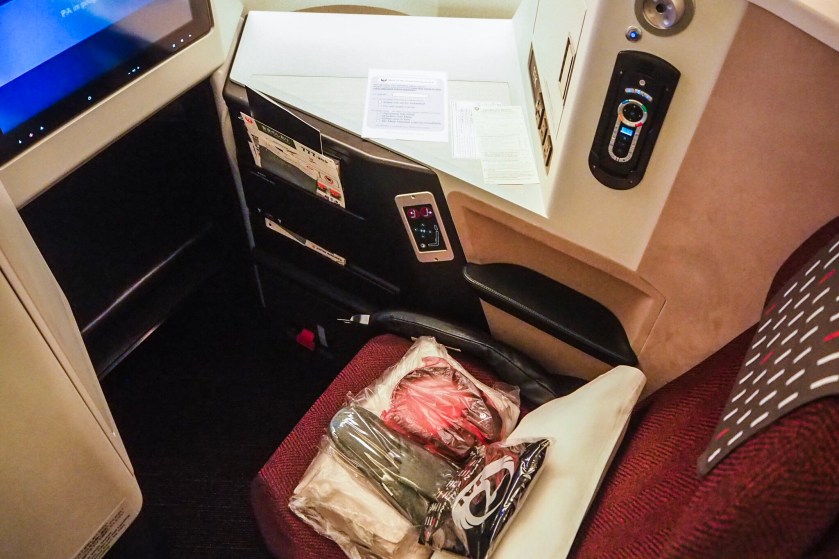
One of the most widely known sweet spot with this programme is the ability to book a quasi-return trip on JAL in business class for only 25,000 miles. Specific to this promotion, that means you can buy it for US$517.34, which is an absolute steal for a ‘return’ business class trip.

How to book the ‘return’ trip on Japan Airlines:

Japan Airlines (JAL) charges only 25,000 miles for intra-Asia itineraries involving a maximum of 1 stop, to count it as a ‘one-way’ journey. Alaska Air also allows for a stopover, i.e. staying in the intermediate point for more than 24 hours.

Using the rule above, you can technically book something like, Bangkok to Singapore via Tokyo on JAL business class, which will only cost you 25,000 miles because it is technically a one-way itinerary. All you need to do is to buy another (cheaper) ticket to Bangkok to start your journey.

Another sweet spot is that JAL allows for open-jaw booking, so you can booking something like Bangkok-Osaka, then Tokyo-Singapore in a same journey.

Return trip within Asia on JAL for only 15,000 miles in Economy, 25,000 miles in Business

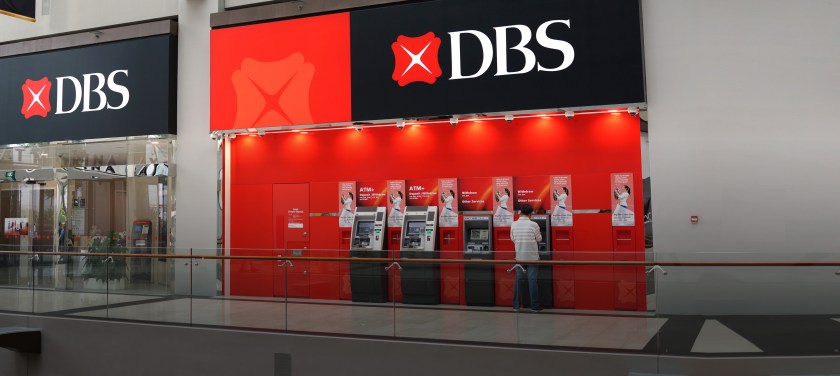
DBS raises foreign currency transaction fee to 3.25%

From 1 November 2019, DBS will have one of the highest fees for foreign transactions for its Visa and Mastercard credit cards.

DBS will be raising its foreign currency transaction fee on all DBS & POSB Visa and Mastercard credit cards from the existing 3% to 3.25% from 1 November 2019.

The notice did not mention anything about Amex cards, so it should be staying at 3% for now.

What are foreign currency transaction fees?

When you use your credit card overseas, there are typically two fees involved that is added to the converted amount:

  • The card network fee (charged by Visa, Mastercard or Amex)
  • The bank transaction fee

These fees are incurred for processing the transaction, converting them into the billing currency (Singapore dollars for those using Singapore credit cards, etc).

The prevailing rates charged by the card networks are as follow:

  • Visa & Mastercard – 1%
  • American Express – 1 to 1.25%, depending on bank

Different banks have different transaction fees, which will bring the total up to anything between 2.75% to 3.25%.

What this means is that you are effectively paying not only for the ability to use your credit card overseas, but also for the rewards you are earning.

So how much am I effectively paying for miles?

Of course, this question only applies for when you use your credit card overseas, as opposed to cold, hard cash.

In DBS’ case, there are two key cards we are looking at here: the DBS Altitude Visa, and the DBS Women’s World Mastercard.

I’ve tabled some of the major bank cards that earn miles, their total foreign currency transaction fee and the effective cost per mile as a result:

Credit CardForeign currency feeMile earn rateEffective cost of buying miles
DBS Altitude Visa3.25%2 mpd (for foreign spend)
3 mpd (for online hotel & airline spend)
1.63 cent per mile (cpm)
1.08 cpm
DBS Women’s World Mastercard3.25%4 mpd (for online foreign spend)0.81 cpm
OCBC 90N3%4 mpd (until 29 Feb 20)0.75 cpm
OCBC VOYAGE3%2.4 mpd (until 31 Dec 19, 2.3 thereafter)1.25 cpm
UOB Signature Visa3.1%4 mpd (min $1,000 max $2,000 spend per statement)0.78 cpm
UOB PRVI Miles Visa/Mastercard3.25%2.4 mpd1.35 cpm
BOC Elite Miles Mastercard3%3 mpd1 cpm
Citi PremierMiles Visa3%2 mpd1.5 cpm
Citi Prestige Mastercard3%2 mpd1.5 cpm
Standard Chartered Visa Infinite3.5%3 mpd (min $2,000 spend per statement)1.17 cpm

Final thoughts

Every bank seemed to have raised their foreign currency transaction fees in the last year or so, and DBS has done it not once, but twice. Unfortunately we are at the mercy of the banks given that they are the one ultimately providing the service and the miles, so we can only choose wisely.

If you are holding the OCBC 90N card and travelling frequently over the next couple of months, that is your best bet in raking up the most number of points for now.

Transfer your DBS points to Qantas Frequent Flyer and get 25% more

Qantas is now running a points transfer promotion, offering a 25% bonus on top of the usual transfer rates. So that means, for every 5000 DBS points transferred, you will get 12,500 Qantas points instead of the usual 10,000.

The baseline number of points will usually show up within a couple of days (DBS says it will take up to 7 working days, but in reality it’s usually quite fast), and you will receive the bonus points by 14 November 2019.

Qantas first partnered up with DBS earlier this year in March 2019, and offered a launch offer of 20% bonus. Back then, I transferred 30,000 points to Qantas, and the bonus showed up that very weekend.

Transferring DBS points to Qantas points back in May 2019

Should you transfer your points to Qantas?

If you are familiar with the Qantas Frequent Flyer programme, you will know that the points are generally worth less than an equivalent mile on other programmes such as Krisflyer and Asia Miles, so transfer bank points to Qantas points is usually not a worthy endeavour.

Even with a 25% bonus, you will still come up short as compared to some other programmes such as Asia Miles and British Airways’ Executive Club for similar itineraries.

For instance, for Singapore-Hong Kong Cathay Pacific one-way business class seat, these are the miles required for each programme:

ProgrammeMiles/Points requiredFees
British Airways Executive Club22,000 S$70.50
Asia Miles25,000HKD400 (~S$70.50)
Qantas Frequent Flyer43,800S$70.50

So even with the 25% bonus (or an effective 20% discount), you are still burning through more points than you would on Asia Miles or British Airways Executive Club.

What is good for Qantas points is the ability to redeem on Emirates and Jetstar services.

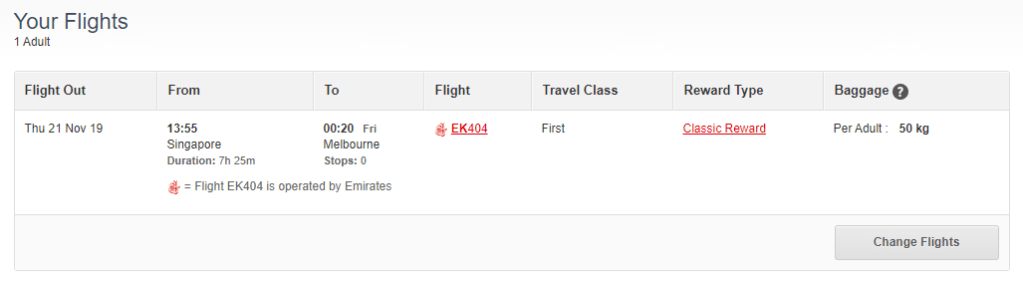
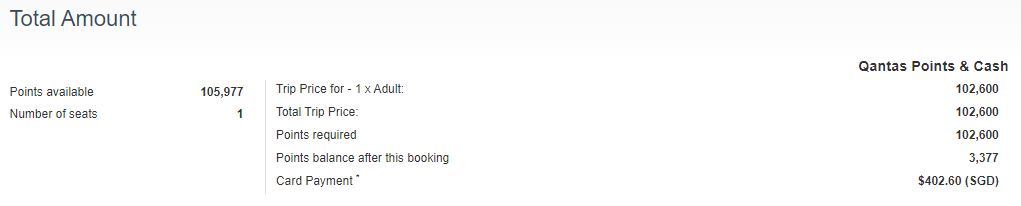
You can redeem Emirates business class and first class flights using Qantas points, although the surcharges are pretty expensive. For instance, a first class one-way redemption from Singapore to Melbourne on Emirates will set you back by a whopping 102,600 Qantas points and $402.60 in fees. Ouch.

But given the lack of options to earn or credit to Emirates Skywards, this is probably your best option to have a drink at the famed Emirates A380 in-flight business class bar.

For Jetstar award tickets, in my opinion they are good for short haul destinations out of Singapore. For instance, if you need a quick and cheap ticket to Bangkok, a return redemption ticket on Jetstar along with 20kg checked baggage comes at 19,200 Qantas points and $86.10 in fees.

Final thoughts

Despite being one of the most poor-value transfer partners for credit card points, Qantas has most recently devalued their points further in September making their premium cabins even more expensive to fly on with points.

Having said that, Qantas Frequent Flyer programme is not one to write off, especially if you fly alot on oneworld airlines. They are still one of the easiest way to get status on and gives you a hell lot of points when you fly on Qantas and Jetstar.

Qantas’ refurbished A380 takes to the skies

After more than 18 months since Qantas announced a refurbishment programme for its A380 fleet, the first of the refreshed birds is finally out of the factory and back in the skies.

The first of Qantas’ twelve refurbished Airbus A380 will begin flying the flagship Sydney-Singapore-London route next week, following an extensive make-over which includes a modernisation of the first class cabin and installation of the airline’s latest business class seats, along with two new upper deck lounges.

What has changed?

The multimillion-dollar upgrade most significantly features an upgraded business class cabin featuring their flagship business suites, as well as their latest premium economy product. The upper deck is also now exclusively premium, with all economy class seats now moved to the lower deck. The on-board lounge has also been redesigned. 

Don’t expect to see a brand new first class product on the Qantas A380 – which isn’t necessarily a bad thing given that the product actually works (see my review here!) and remains pretty luxurious even a decade after it was first rolled out. 

Qantas A380 refreshed first class seat (photo credit: Qantas)

Marc Newson, the renowned Australian designer who came up with the original first class suites, once again worked with Qantas to refresh the 14 seats. The upgrades included a more comfortable contoured seat, as well as a larger video screen to replace the aging monitors.

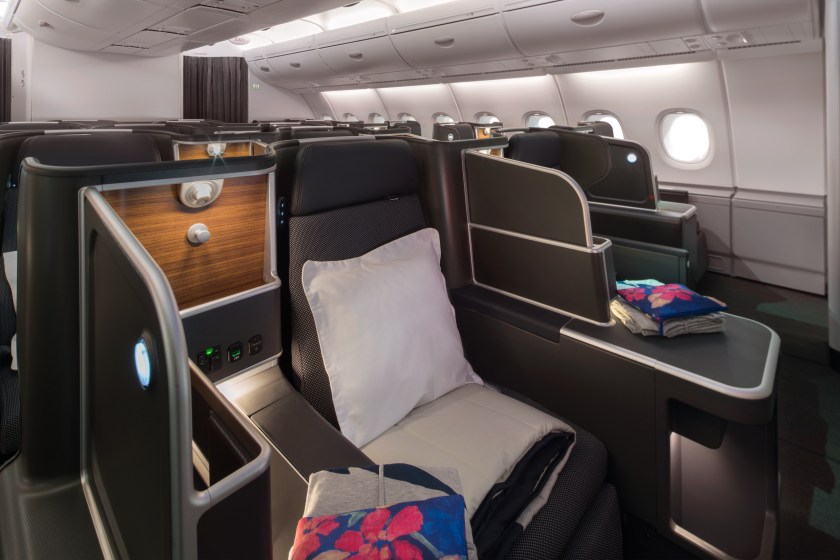
In business class, the old Skybeds have now been upgraded to the 1-2-1 configuration business suites, which provides all 70 seats with direct aisle access in the upper deck.

Qantas business suites on the A380 (photo credit: Qantas)

The number of premium economy seats has also increased from 35 to 60, and upgraded to a new-generation premium economy cradle seat that is also on the Qantas Dreamliner fleet. The premium economy cabin is located on the upper deck, behind the business class section.

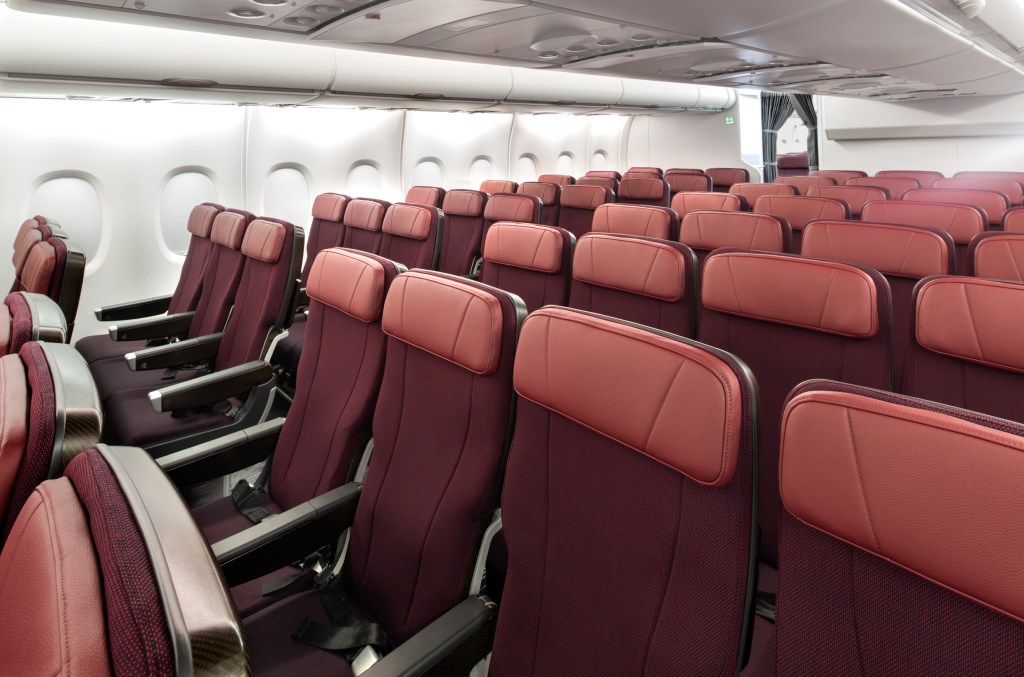
With all economy class seats now on the lower deck, all 341 economy class seats will get a light touch refresh, with the seat being re-upholstered and the in-flight entertainment screens being improved. The economy cabin is located behind the first class section.

Qantas A380 economy class (photo credit: Qantas)

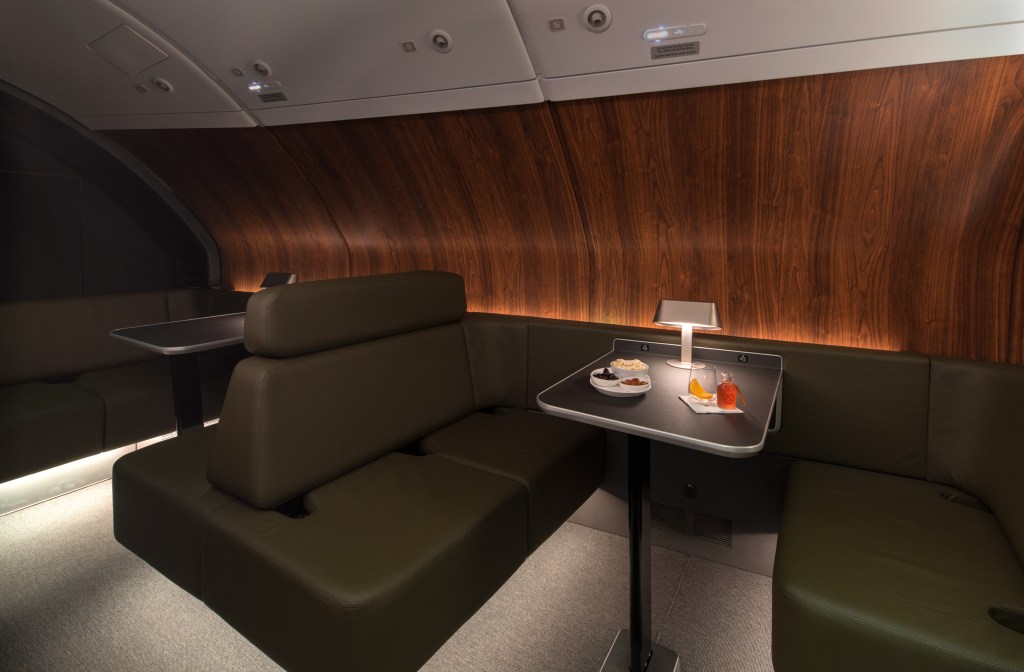
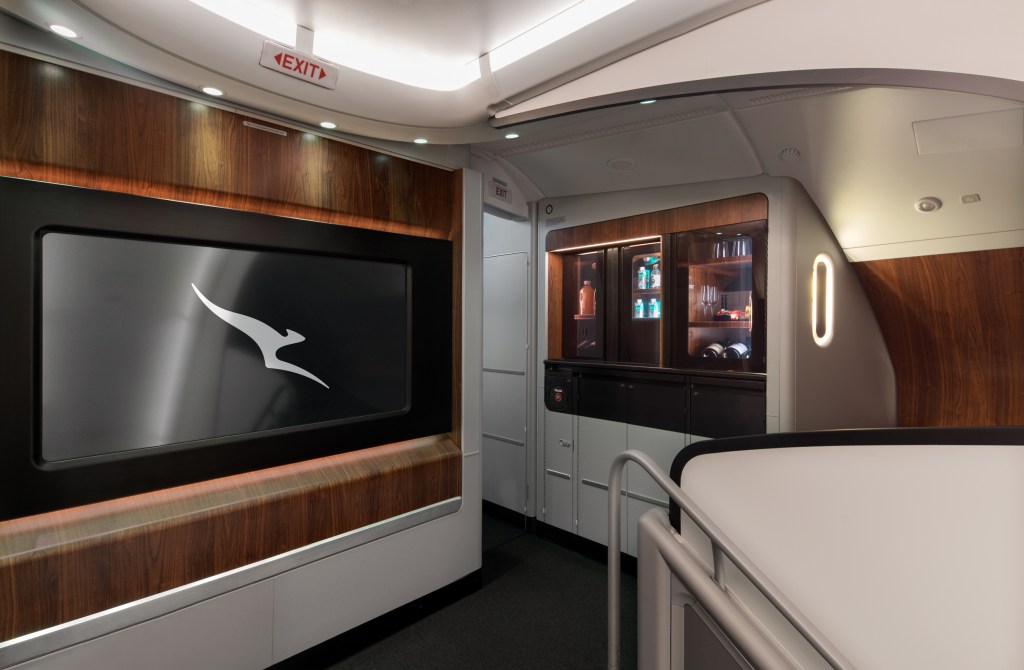
The in-flight lounge on the upper deck has also gotten a refresh, to include some table space if you need to work or simply want to have a place to put your drink on. There’s also more seating as compared to the older lounge.

Business class lounge on the upper deck of the Qantas A380 (photo credit: Qantas)

Where will VH-OQK fly to?

Qantas Group CEO has earlier said that the refurbished aircraft will not be put on a single route, but instead deployed across several markets so there’s a little ‘delight and surprise’ for the customers.

According to Executive Traveller, the new aircraft will first fly as QF2 from London tonta seconoy Sydney via Singapore since yesterday (30 Sep). That means, it will depart tonight (1 Oct) from Singapore to Sydney.

Subsequently, it will do another round of Sydney-London-Sydney via Singapore, before going on elsewhere.

How to know if you are flying with the new or old configuration?

That’s pretty straightforward. To know if you are flying on the new or old aircraft, simply look at the seatmap particularly if you are flying in business class. If the layout is a 1-2-1 configuration, you are definitely getting the new aircraft.

If you need a detailed seat map, you can click here.

Qantas A380 upper deck seat map (for PDF version click here)

Timeline for other A380s

With the first aircraft fresh out of the upgrade factory, Qantas has said that two more aircraft are expected to be upgraded by the end of 2019, with the remaining nine to be completed before the end of 2020. By that time, the business class experience across its A330, A380 and Boeing 787-9 will be consistent, which will be a boost for its customers.

Qantas in-flight lounge (photo credit: Qantas)

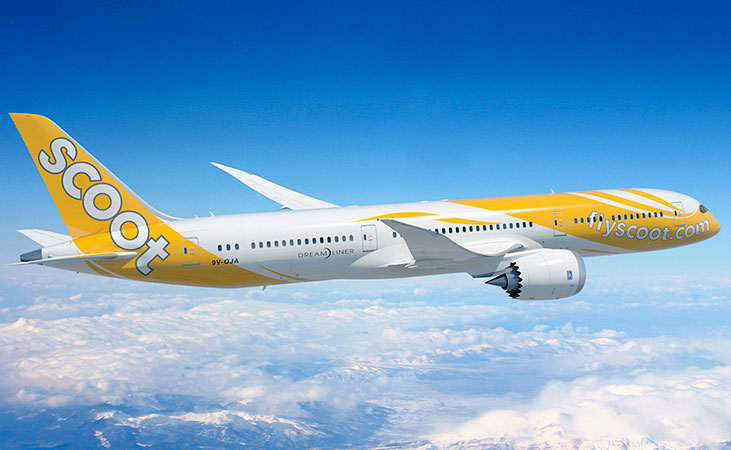
Scoot removes all payment processing fees with immediate effect

From today onwards, Scoot will no longer be charging a payment processing fee for its airfares.

You’ll no longer need to pay any additional fees regardless of which method of payment you choose to use, whichever sector you buy, and from which city you booked it from.

Singapore customers were previously charged S$10 per person, per flight for payment made through selected credit cards and PayPal, so that means that if you were booking a return ticket, you would have to spend an additional $20 on top of whatever fare and add-ons you chose.

With this change, Jetstar and AirAsia, two of the other key low cost carriers, remain to be the only ones still charging a ‘convenience’ fee for using credit card payments – it remains to be seen if they will follow suit.