Category: Fly

  • Fifth freedom flights and Singapore Airlines: What next?

    Fifth freedom flights and Singapore Airlines: What next?

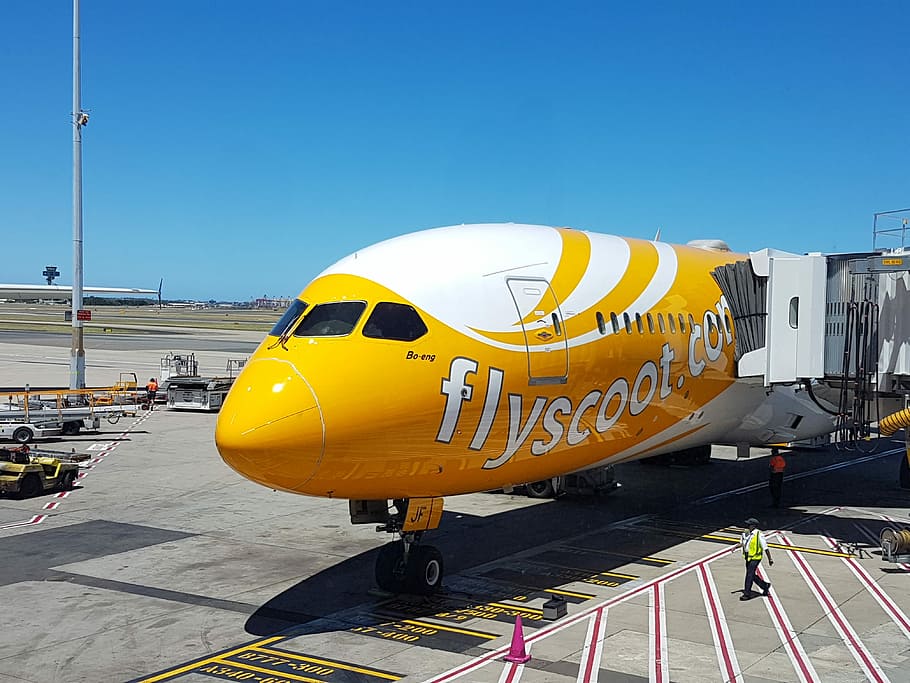
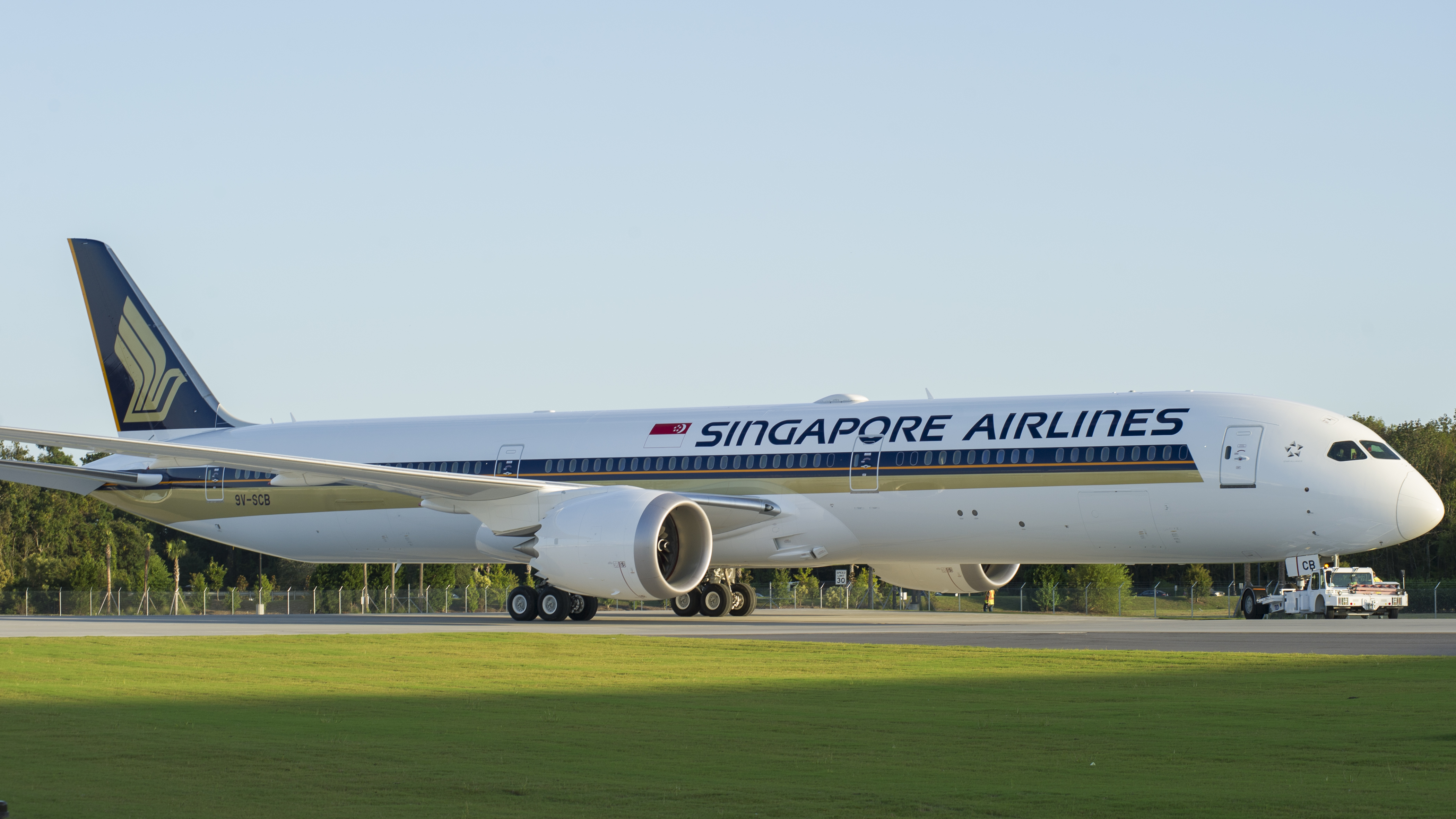
    In recent months, Singapore Airlines and its low-cost subsidiary Scoot made news with some of its more innovative fifth freedom service within Europe.

    Singapore Airlines first announced the resumption of its Rome service, but via Copenhagen as a tag-on service. Shortly after, Scoot announced that its original two European destination – Athens in Greece and Berlin in Germany – will be combined into a single service (Singapore-Athens-Berlin) later this month.

    The move has led many industry observers say that this was a tactic for SIA to tap on the liberalisation of borders and Covid-19 controls within the EU, given that Asia Pacific was still pretty much closed up even as the rest of the world are easing restrictions as vaccination rates are going up.

    Singapore Airlines’ past fifth freedom flights

    As a purely international aircraft with no domestic market to tap on, Singapore Airlines has to think creatively to tap on other revenue markets. While Singapore is geographically advantaged when it comes to serving Asia Pacific as a region, it doesn’t have the same edge when it comes to connecting to some other continents that boast of larger markets, such as the Trans-Atlantic market.

    Unfortunately air services agreement belong squarely in the remit of government-to-government negotiations, and most countries are highly protective of their home carriers for obvious reasons, both economic and geo-political.

    As a country, Singapore is traditionally a big advocate of open skies policies, and often sought to seek the least restrictive rights to operate flights to, from and beyond third countries. It has signed open skies agreement with more than a dozen countries, allowing unlimited air services between Singapore and these countries – as well as beyond – subject to operational constraints.

    Singapore Airlines have in the past famously mounted many of these fifth freedom flights, including:

    • SQ1/2 – Singapore – Hong Kong, China – Los Angeles, USA
    • SQ5/6 – Singapore – Taipei, Taiwan – Los Angeles, USA
    • SQ25/26 – Singapore – Frankfurt, Germany – New York JFK, USA
    • SQ51/52 – Singapore – Manchester, UK – Houston, USA
    • SQ67/68 – Singapore – Barcelona, Italy – Sao Paulo, Brazil

    and many more.

    Singapore Airlines’ fifth freedom flights over the years

    Unfortunately, fifth freedom rights are incredibly difficult to negotiate today owing to sensitivities, and there have been many instances where approvals were not given at the last minute.

    Back in 2016, Singapore Airlines have sought to operate Singapore-Jakarta-Sydney, which was observed by analysts to be an underserved and attractive sector. However, the new service never took off; the launch was postponed indefinitely due to a ‘runway maintenance works’ at Jakarta’s main airport, and eventually canned.

    Origins of fifth freedom services

    Before long-haul jets were widely available, it was commonplace for airlines to make multiple stops along a long-haul route. For instance, right up to the 1970s, the Singapore Airlines service between Singapore and London could make up to five stops along the way, with a total journey time of close to 24 hours!

    Singapore Airlines northbound flight schedule, circa 1970s

    Along the way, SIA was allowed to pick up and/or drop off passengers along the way, almost akin to running a bus service. However, the rights to sell tickets between specific countries must be pre-negotiated and not a given. Where approvals are not given, this is where you see restrictions. For instance, back in the 1970s, SIA had no rights to sell tickets between Rome and Amsterdam, nor between Bombay (Mumbai today) and Bahrain, even though these were stops along the same service.

    For a more in-depth understanding on fifth freedom flights, One Mile at A Time has a very good article you can check out here.

    London-New York service, next?

    There has been talk on several forums speculating what Singapore Airlines might do next to tap on the reopening of quarantine-free travel within the EU, and beyond.

    One such routing speculated was a London Heathrow-New York JFK service, using an A380 aircraft. Singapore Airlines has earlier this week moved one of its A380 out of Alice Springs back to Singapore, and this would be consistent with hearsay plans for SIA to resume A380 service in September.

    Singapore Airlines do not have any published schedules involving the A380 at the moment, but the airline has tentatively planned some routes for the superjumbo from 31 Oct, including services to London, Sydney, Beijing, Auckland, Delhi, and several more.

    With load factors at an all-time low, the A380 seems like an unlikely candidate for any service out of Singapore, but this would allow Singapore Airlines to carry enough passengers from Singapore to London and New York on a single aircraft, with enough room to spare to ferry passengers between the two Transatlantic financial hubs.

    London Heathrow Airport

    Pre-pandemic, this route was one of the most – if not the most – lucrative routes in the world. Nicknamed “the Billion Dollar Route“, London-New York earned British Airways a cool US$1.2 billion between April 2018 and April 2019, the highest for any commercial air service route that year.

    London-New York is also an incredibly competitive route, with only four airlines: British Airways, Virgin Atlantic, Delta and American Airlines plying the route. US’s other major carrier, United Airways, operates a daily service out of its Newark hub to London-Heathrow.

    So why hasn’t any non-UK/non-US airline plied that route?

    Historically, there have been several LHR-JFK services mounted by foreign carriers using fifth freedom rights. These include:

    • Kuwait Airways, terminated in 2016
    • Air India, terminated in 2008
    • Air India (albeit between LHR and EWR, not JFK), but also terminated in 2018
    • Air France, around 2008 under the EU-US Open Skies policy
    • Qantas, some time in the 1970s!

    The list isn’t terribly long but for good reasons.

    Firstly, landing slots at London Heathrow are notoriously difficult to get. With the airport’s slots all but taken up, the only way airlines could get more slots was to buy over from slots from other airlines, sometimes at record-high prices. In 2020, Air New Zealand sold its daily slot pair at London Heathrow for a cool US$27 million, and this was not the highest ever recorded transaction for a pair of slots at LHR.

    To do a fifth freedom tag-on from LHR to JFK (or vice versa), this means that a single service will require two pairs of slots for the service. For most airlines, this is a poor use of slots; two pairs of slots can be better utilised with two daily flights between LHR and their respective home markets, rather than to dip into the LHR-JFK fray.

    However, London-Heathrow, like many airports, have a ‘use it or lose it’ policy when it comes to slots. Traditionally, airlines are required to operate at least 80% of their slots, otherwise they risk losing them in the following year. This policy has been waived since the pandemic hit last year, and have been last extended to cover the 2021 Northern Summer season. This creates a situation where other airlines could, in theory, at least access some of these unused slots temporarily, creating in possibilities of new players at least for a short while.

    Secondly, the rights to sell tickets and carry traffic between LHR and JFK is subject to air services agreement between the carrier’s home country, United Kingdom and United States. If not in place, such negotiations typically take several years to formalise.

    While many nations do have open sky policies with these two nations, the limiting factors may include capacity or flight limits on the route, or even price setting controls. This can severely reduce the attractiveness of mounting fifth freedom services on these flights.

    US and UK are opened to vaccinated travellers, without quarantine

    With many countries racing to vaccinate their populations, both USA and UK are now accepting vaccinated travellers with only a testing requirement and no need for isolation or quarantine upon arrival.

    What are USA and UK’s current quarantine requirements?
    🇺🇸 United States of America
    The CDC mandates a valid PCR test taken at most 3 days before your flight, and recommends another test 3-5 days after arrival in the US.
    In addition, each state may recommend and enforce their own quarantine requirements. Generally, most states no longer require isolation or quarantine for vaccinated travellers but still encourages unvaccinated travellers to stay home for a number of days upon arrival.
    CNN has a good up-to-date resource here for state requirements here.
    🇬🇧 United Kingdom
    UK classifies all countries into three lists using a ‘traffic light’ system: red, amber and green lists.
    Singapore belongs to the green list, which only requires a pre-departure test taken at most 72 hours before the flight and a mandatory test at most two days upon arrival.
    No quarantine is required for travellers from Singapore.
    USA is on the amber list. All travellers from the US also need to take a pre-departure test and a test upon arrival. Unvaccinated travellers must also quarantine for 10 days and take a third test on the 8th day of arrival, while vaccinated travellers are exempted from both the quarantine and 8th day testing requirements.
    Click here for more details.

    This makes transatlantic leisure and business travel possible again, explaining the growth in flight frequencies and load factors over the past months.

    Out of the four airlines plying the route, all except Delta Airlines have mounted more than one flight a day, in a strong signal that recovery is on its way.

    For instance, BA112 flying from New York JFK to London-Heathrow on 4 Aug has the following indicative seat map for 4 Aug 2021:

    BA112 JFK-LHR, 4 Aug 2021

    The blue seats are occupied, while the white seats are available, reflecting a reasonably high level of load factor even in Economy class. The loads are largely similar for other flights this week as well, resembling passenger loads close to pre-pandemic days.

    Final thoughts

    It is definitely interesting to see what SIA does next, especially as the airline starts bringing back its aircraft from long-term storage.

    Even as Singapore deliberates its border restrictions once it reaches herd immunity level of vaccinations, we may start to see quarantine-free travel restarting, possibly beginning with some European nations. One thing for sure is that this will not be a long list of countries, so its unimaginable that this is the sole reason why SIA is bringing back to A380s at this moment.

    To use the A380s effectively, SIA will be better placed to tap on other markets creatively in order to leverage high-yielding segments, and to get into pole position well ahead of its competitors.

    The next couple of months will definitely see some interesting developments – so let’s see how this unfolds.

  • Singapore looking to lift quarantine requirements from September 2021 for vaccinated travellers

    Singapore looking to lift quarantine requirements from September 2021 for vaccinated travellers

    From September, travel-starved Singapore residents may be able to venture out to some countries and return to Singapore sans quarantine

    In parliament today (26 Jul 2021), Multi-ministry Task Force (MTF) co-chair Lawrence Wong, who’s the finance minister of Singapore, said that the government is planning to relook its border control measures for selected countries.

    It intends to set up travel corridors with certain countries that have good Covid-19 control measures, and allow only vaccinated travellers to venture out and come back into Singapore with testing measures in place.

    This is the full excerpt of what was spelt out in Parliament:

    It will start by setting up travel corridors with countries or regions that have “managed COVID-19 well”, and where the infection is under control. 

    “So fully vaccinated persons will then be able to travel to these countries or regions without needing to serve the full 14-day stay-home notice in a hotel when they return,” Mr Wong said.

    Depending on the risk level of the country they visit, the stay-home notice will be replaced with a “rigorous testing regime” or a seven-day isolation period at home.

    This will allow vaccinated people to travel more freely, he said. “Those who are not vaccinated can still travel, but will be subject to the prevailing SHN (stay-home notice) requirements.”

    Lawrence Wong in Singapore Parliament, 26 July 2021

    Stay-Home Notice the norm since 15 March 2020

    Ever since Singapore’s health ministry issued an advisory against all non-essential travel on 15 Mar 2020, Singaporeans who venture overseas have faced a mandatory 14-day Stay-Home Notice, or SHN, upon return. The SHN could initially be served at home, but this was later moved to dedicated facilities (hotels) when the disease proved very infectious. The move effectively killed all leisure travel in and out of Singapore.

    With Singapore reporting a 54% vaccination rate today (26 Jul 2021) and due to hit 80% in September, there’s finally some light at the end of the tunnel. The Singapore government has weeks ago announced its shift from a zero-infection strategy, to an endemic Covid-19 strategy where living with the virus becomes a norm.

    This strategic shift will also have implications on the reopening of the domestic economy, and more important, on international trade and travel.

    Current quarantine requirements in Singapore

    Regardless of where you arrive from, everyone landing at Changi Airport will be subject to a Covid-19 test upon arrival.

    At present, only arrivals from three countries – Brunei, China (Mainland) and New Zealand – are exempt from any form of isolation requirements. Visitors and returning residents from all other countries are subject to SHN:

    CountriesSHN requirements
    Brunei
    Mainland China
    New Zealand
    No SHN required
    Australia
    Hong Kong SAR
    Macau SAR
    7-day SHN at place of residence
    Israel
    Taiwan, China
    14-day SHN at place of residence
    All other countries14-day SHN at dedicated facilities

    I’m vaccinated and ready to go; where can I go?

    Travel hungry Singapore residents will no doubt be searching for this at the moment.

    In planning for travel, there are two things to consider:

    Firstly, which countries do not need quarantine/isolation for vaccinated travellers?

    Secondly, which countries will Singapore admit vaccinated travellers from without quarantine?

    In this respect, both Wego and Skyscanner have put up very useful tools to look for the necessary information, but Wego has a slightly more useful map than Skyscanner as there’s a toggle depending on your vaccination status:

    Based on Wego’s data, there are two maps you want to look at.

    First, if you are vaccinated:

    Wego map for vaccinated travellers

    As of 26 Jul 2021, a total of 128 countries are open to international visitors, some with testing and some without testing requirements.

    Most of these countries are either in Europe or Central America, but do remember to read the fine print – different countries have different acceptance of the wide range of vaccines and testing requirements. Also, bear in mind that these requirements change frequently depending on prevailing situation.

    Now to tackle the second question: Which countries will Singapore admit visitors/returning residents from without quarantine?

    In a recent interview with The Straits Times, Singapore’s health minister Ong Ye Kung mentioned that they will only be considering countries with high vaccination rates and low infection rates:

    “Once a place’s (Covid-19) infection rate is going down, vaccinations are going up and you go below, say, two or three infections per 100,000, we should start monitoring those countries seriously.”

    Based on Wego’s list of countries that are currently opened to vaccinated travellers, the data doesn’t look encouraging.

    Most European countries that are currently accepting travellers have a pretty high infection rate at the moment. UK and Spain are trending at about 50 to 60 per 100,000 people; most other EU nations including France, Netherlands and Denmark are well above 10 per 100,000 people.

    The only EU nation that seem to fulfil the criteria at the moment is Germany, recording only 1.9 new case per 100,000 at the moment.

    Should I book tickets now?

    While there’s considerable excitement about this development (and rightfully so), is the Singapore-Hong Kong air travel bubble (ATB) is anything to learn from, you should heed the classic adage: hope for the best but prepare for the worst.

    This is probably the best time to make some speculative bookings, but make sure you only make refundable/cancellable bookings, and book only point-to-point flights.

    Singapore Airlines will obviously be your best bet at the moment. At the time of writing, it has scheduled flights to the following ‘green list’ destinations that are opened:

    RegionDestination
    Southeast AsiaPhuket, Thailand
    EuropeCopenhagen, Denmark
    Paris, France
    Munich, Germany
    Frankfurt, Germany
    Amsterdam, The Netherlands
    Moscow, Russia
    Barcelona, Spain (via Milan)
    Zurich, Switzerland
    Istanbul, Turkey
    London, United Kingdom
    Manchester, United Kingdom
    AmericasLos Angeles, United States
    New York, United States
    San Francisco, United States
    Middle East & AfricaJohannesburg, South Africa
    Cape Town, South Africa
    Dubai, UAE

    There are some destinations – for example, Barcelona – that are not feasible, because they have a transit somewhere else. For flights that have a transit stop in a third country, you will need to make sure that your final destination country accepts visitors from both Singapore and the transiting territory.

    It is incredibly important to note that the list above are just destinations that are currently accepting vaccinated travellers without quarantine or self-isolation requirements; it does not take into consideration whether you will need to serve SHN when you return to Singapore!

    There are also services that some foreign carriers are offering, such as British Airways flight to London, Lufthansa to Munich and some others that you can check out, but the offerings are few and far between at the moment.

    Final thoughts

    Today’s announcement is definitely exciting for many people, as Singapore work towards lifting quarantine requirements for international arrivals from select countries. Finally some light at the end of the travel dearth tunnel, and I’m sure many other Singapore residents are waiting to book their tickets.

    While there’s some merit to celebrating, as with many policies – the devil is in the details, such as:

    • Which countries will be on the list?
    • Will it have ‘snap retraction’ just like how the Singapore-Hong Kong ATB was planned?
    • Are there fall-backs on mandatory quarantines in case the situation flares up in these overseas countries?
    • What testing requirements will there be? Which vaccines will Singapore recognise?
    • What about children who cannot be vaccinated for now?

    Again, let’s wait for more details in the coming weeks.

  • Scoot resuming Berlin flights from 10 Aug

    Scoot resuming Berlin flights from 10 Aug

    Service will operate via Athens, allowing Scoot to tap on intra-Europe demand as EU opens up

    Scoot’s new fifth freedom service between Athens and Berlin will see it tap into the intra-Europe travel market from August 2021.

    The service is an extension of Scoot’s current thrice weekly Singapore-Athens service, with the tag-on of the Athens-Berlin leg. The service remains three times weekly, but there are changes to the flight numbers and timings.

    The last Singapore-Berlin service was on 20 March 2020, right before the height of the Covid-19 pandemic. That flight departed Berlin Tegel International Airport (IATA: TXL), which has since been replaced by Brandenburg Airport (IATA: BER) which opened just months ago in June 2021.

    Berlin Brandenburg Airport

    Full schedule

    For those who are interested, this is the schedule of the Singapore-Athens-Berlin service with effect from 10 Aug 2021:

    ServiceFlight No.Days of
    Operations
    DepartArriveFlight TimeAircraft
    Singapore – AthensTR722Tue, Thu, Sat0110075011h 40mB787-8
    Athens – BerlinTR722 Tue, Thu, Sat 095011503h B787-8
    Berlin – AthensTR723 Tue, Thu, Sat 125016503h B787-8
    Athens – SingaporeTR723 Tue, Thu, Sat 18301030(+1)11h B787-8

    At the time of writing, a one-way ticket from Singapore to Berlin in economy starts from S$278, with check-in bags starting from S$75 and pre-ordered hot meals from S$17 each. There is actually no savings from buying the bundles – you just add on the prices of the bag and food that you need.

    Given the current Covid-19 related measures, all meals will have to be pre-purchased and will not be available for purchase on board.

    For the Singapore-Athens-Berlin service, if you decide to buy the FlyBagEat combo or the ScootPlus seat, you will get one meal service for each sector (i.e. one for Singapore-Athens and one for Athens-Berlin).

    Pre-purchase meals before you fly

    Scoot’s network: 25 destinations in August

    With the reinstatement of Berlin, Scoot is now operating to 25 cities, as follow:

    Country/TerritoryDestination
    Southeast Asia
    IndonesiaManado
    Surabaya
    MalaysiaIpoh
    Kuala Lumpur
    Kuching
    Penang
    The PhilippinesCebu
    Clark
    ThailandBangkok
    VietnamHo Chi Minh City*
    North Asia
    ChinaGuangzhou
    Nanjing
    Tianjin
    Wuhan
    Zhengzhou
    Hong Kong SARHong Kong
    Macau SARMacau
    JapanTokyo-Narita (only to and from Taipei)
    South Korea Seoul (only to and from Taipei)
    TaiwanTaipei
    Pacific
    AustraliaMelbourne
    Perth
    Sydney
    Europe
    GermanyBerlin
    GreeceAthens

    The full Scoot passenger flight schedule for July and August 2021 is available on Scoot’s website.

    Singapore to relax border controls… soon?

    Earlier this month, Singapore’s Health Minister Ong Ye Kung has said that most European Union countries and USA are in the consideration for quarantine-free travel for travellers coming or returning to Singapore by the end of the year, once vaccination rates in Singapore reaches an acceptable level.

    What this means is that countries with low case totals and similarly high vaccination rates, such as Germany and Italy, might be the first countries to be on a ‘white list’ for Singapore residents to visit without having to quarantine upon return.

    If indeed Germany becomes one of the white listed country come end of year, it’s almost certain that Scoot will drop the tag-on flight and operate directly between Singapore and Berlin.

    Final thoughts

    The Singapore Airlines group is clearly trying its best to leverage fifth freedom rights in different parts of the world, as the Covid-19 vaccination race across the world today sees evolving border control measures. For instance, most EU nations now provide a concession for vaccinated travellers from fellow EU states, effectively opening up travel within the EU.

    At the time of writing, Singapore Airlines has already extend its Copenhagen service to Rome, with fifth freedom traffic rights for passengers flying between Denmark and Italy.

    Unfortunately for Singapore, Southeast Asia nations are far lagging in terms of vaccination rates, with many lagging far behind the much desired 70-80% levels to achieve some kind of herd immunity, so many countries are still keep borders shut with onerous testing and quarantine measures in place.

    So what will it SIA’s next interesting fifth freedom service to pop up? This is definitely not going to be the last one.

  • Cathay Pacific to merge Asia Miles and Marco Polo Club in new programme to launch in 2022

    Cathay Pacific to merge Asia Miles and Marco Polo Club in new programme to launch in 2022

    No more confusing differences between the two programmes, hooray!

    In a seemingly fluffy email sent out by Cathay Pacific today, the airline announced a new lifestyle brand named ‘Cathay’.

    New Cathay master brand

    More importantly, Cathay Pacific’s somewhat confusing two loyalty programmes – Asia Miles & Marco Polo Club – will be merged into a single programme in the first half of 2022.

    What is Cathay?

    Cathay is touted as the airline’s new master brand, which it said “represents much more than airline travel”, and “seeks to become a premium travel lifestyle brand, consisting of a host of complementary categories – flights, hotels, shopping, dining, wellness, credit cards”.

    What this essentially means is that Cathay Pacific will now focus on non-flying businesses that traditionally complement travel, held together by a central currency of miles and points. In whole, this is considered an entire ‘travel lifestyle proposition‘.

    For a start, Cathay will only being rolled out to Hong Kong-based customers. Customers outside of Hong Kong will continue to see Cathay Pacific as the airline and master brand, as it will probably see a limited reach of what Cathay can offer as a programme beyond Hong Kong’s shores.

    Asia Miles & Marco Polo Club

    Asia Miles & Marco Polo Club

    Oneworld airlines typically have two distinct currencies within its programmes, a miles/points currency that can be exchanged for rewards (such as flights), as another status credit/points currency that determines elite status.

    For example, you earn both Qantas points and status credits for each flight you take. Qantas points can be used to redeem for rewards, while status credits earned within a year simply determine what elite status you can get.

    In Cathay Pacific’s case, they have decided to separate it into two different programmes: Asia Miles allow you to earn miles for rewards, while Marco Polo Club determines your status level with the airline. While Asia Miles is free to join, there’s a joining fee of US$100 required for Marco Polo Club, payable every year unless you earn at least 20 status credits.

    The good news is that Cathay intends to bring both programmes together into a single (yet to be named) one.

    “Many members have told us they would like their experience with Asia Miles and Marco Polo Club to be more seamless. We listened – and in response, we will be introducing a refreshed customer relationship programme that brings together all the great things that you enjoy from Asia Miles and Marco Polo Club.”

    Cathay Pacific

    One key development of this upcoming merger is the ability to earn status credits, or Marco Polo Club points, without having to fly. Pre-pandemic, many airlines held this requirement as a sacred cow: while you can earn reward miles through spending on the ground, status credits to unlock status with the airlines can only be earned through flying, making status hard to achieve for most people, but this will soon set to change.

    What happens for existing members?

    The short answer: nothing changes.

    When the new programme is announced, Asia Miles and Marco Polo Club members will automatically have their points and miles carried over to the new programme, and all existing terms, including expiry dates, remain the same.

    Here’s the official Cathay Pacific FAQs about the new programme:

    • There will be no changes to your current Asia Miles and Marco Polo Club membership between now and when the refreshed customer relationship programme launches in the first half of 2022.
    • Asia Miles and Marco Polo Club members can continue to earn and redeem Asia Miles as they do today.
    • Marco Polo Club members can continue to earn club points as they do today.
    • Any earned Asia Miles and club points will be carried over to the refreshed programme.
    • There will be no changes to the current Marco Polo Club membership tier requirements.
    • Your miles balance and expiry date will remain the same and will be automatically carried over to the refreshed programme.

    Final thoughts

    The simplification of Asia Miles and Marco Polo Club is long overdue, so this is definitely a positive development.

    What remains to be seen is whether Cathay Pacific will take this opportunity to devalue its miles. The airline last went through one round of changes in redemption rates back in 2018, so this will be a golden opportunity for the airline.

    In the meantime, should you still transfer your miles to Asia Miles? Again, all things considered around the current travel restrictions, you should only transfer them when you need to use them in the near term. Otherwise, it’s best to hold out until more details are announced.

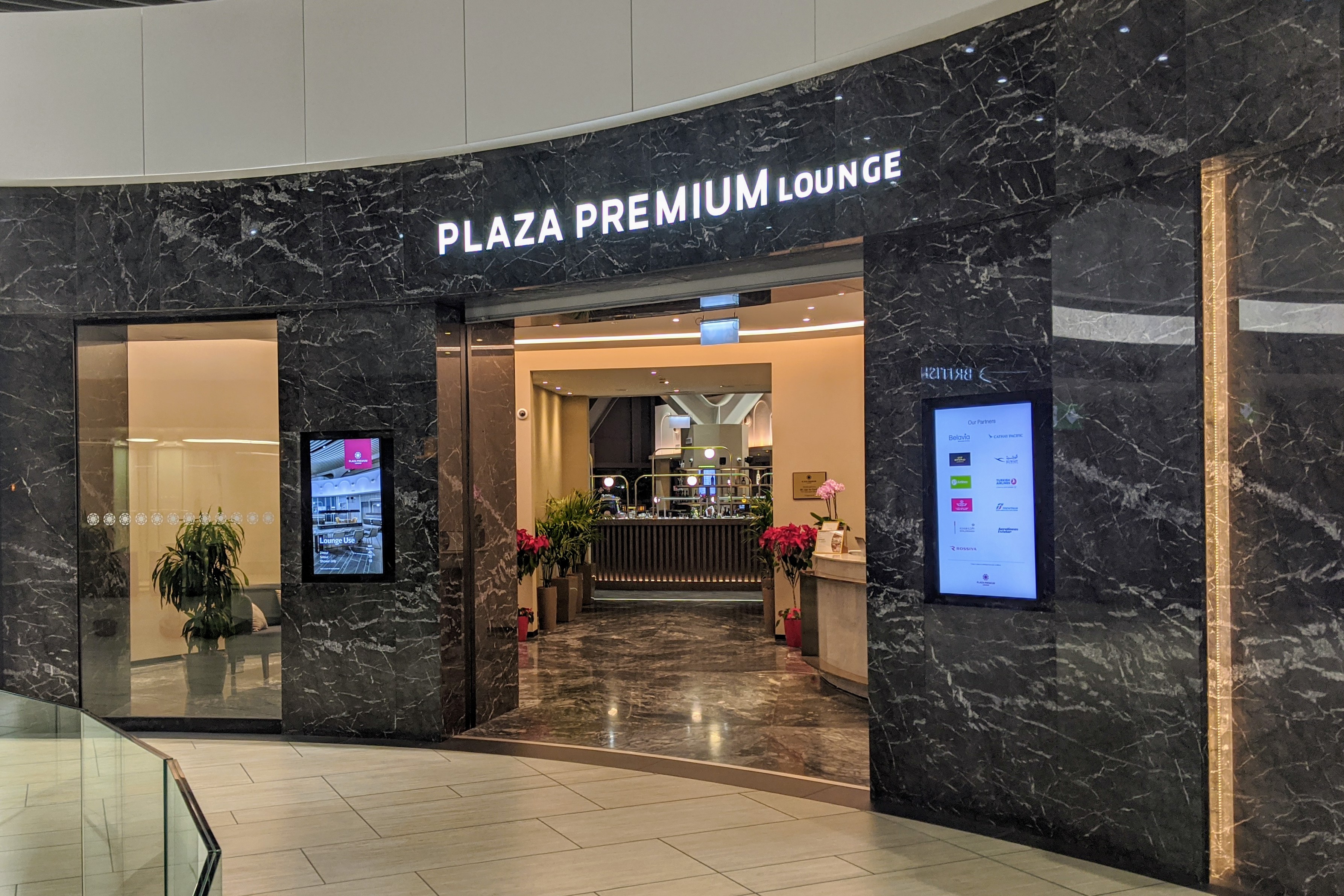
  • Plaza Premium lounges part ways with Priority Pass from 1 July; launches own PPL Pass

    Plaza Premium lounges part ways with Priority Pass from 1 July; launches own PPL Pass

    Plaza Premium has announced that it will stop accepting Priority Pass entries at most of its lounges worldwide from 1 Jul 2021, and will be introducing its own PPL Pass

    Why this matters?

    Priority Pass is the world’s largest network of independent airport lounges, with over 1,300 lounges around the world. All kinds of premium credit cards offer a Priority Pass membership, which is a great way to get lounge access when traveling. Priority Pass doesn’t operate lounges as such, but rather has partner lounges that it pays when a member visits.

    Plaza Premium operates the world’s largest collection of independent airport lounges, with 180 locations across nearly 50 airports. You can’t directly buy a Plaza Premium lounge membership, but rather Plaza Premium acts as a contract lounge provider for premium airline passengers, and for other lounge access programs.

    Historically you’ve been able to visit virtually all Plaza Premium lounges with a Priority Pass membership, but that will soon be changing.

    There will be a handful of lounges that will continue to accept Priority Pass entries, but these will be announced only in the months ahead.

    Other credit cards that have partnered Plaza Premium directly for complimentary entries will not be affected by this change.

    Possibly the best third party lounge network

    While Plaza Premium lounges cannot compare with top airline-operated lounges, they are still rather popular because they have worked on improving their offerings in recent years, offering quality lounges that are well decorated and carrying very decent offerings.

    In recent years, Plaza Premium also upped the ante with its new first class lounges called Plaza Premium First, available in Hong Kong and Kuala Lumpur airports. These are a step up from its regular Plaza Premium lounges and require an added fee for those who are using free lounge passes.

    Plaza Premium First Hong Kong (photo: Plaza Premium)

    Who is affected?

    Most people with a miles-earning credit card will be familiar with Priority Pass, which usually comes as part of their credit card perks. In Singapore alone, those holding the Citi PremierMiles card and DBS Altitude Visa card will have one that offers two complimentary visits a year, while the fee-paying Citi Prestige card offers a souped up version that offers unlimited entries. Unfortunately, such Priority Pass members will definitely be affected by this change.

    For customers holding the American Express Platinum Charge card and the OCBC Voyage card, lounge access to Plaza Premium facility will continue to be available, though they may or may not be able to bring guests for free.

    Plaza Premium’s partnership with DragonPass will continue, so those holding some ICBC and CIMB cards, plus UOB Visa Infinite Metal cardholders, will still be able to use the lounges within their annual entitlements.

    The Maybank Horizon Visa Signature card also retains access to the Plaza Premium lounges, but only at Changi Airport.

    Which lounges are affected?

    Of the 66 participating Plaza Premium lounges, 59 will be leaving Priority Pass. Most of them will discontinue from 1 July 2021, but there is a small handful that have differing end dates so check the details here.

    In Singapore, there used to be three Plaza Premium facilities:

    • Terminal 1: Plaza Premium lounge
    • Terminal 2: TGM (currently closed)
    • Terminal 4: Blossoms Lounge

    With the change, Plaza Premium has confirmed that

    From 1 Jul 2021, only the Terminal 4 facility will remain accessible by Priority Pass members. This is not unexpected, given that the lounge is a joint venture between SATS and Plaza Premium and the role it plays as the only pay-per-use lounge in the terminal.

    With Terminal 2 closed for refurbishment, it’s unclear if TGM will make a return, so that’s a question when it’s ready a few years down the road.

    Terminal 1’s lounge will be unavailable to Priority Pass members from 1 July, but there are plenty of other options in the terminal, including dnata lounge and SATS lounge.

    PPL Pass

    In a follow up to Plaza Premium’s departure from Priority Pass, Plaza Premium Group has also introduced its own PPL Pass, a new membership programme providing access to the Plaza Premium lounges for an annual fee, based on your usage.

    Similar to Priority Pass, PPL Pass is a membership programme where you can pre-load your account with either 2, 4 or 6 visits per year. The per visit cost ranges from USD33 to USD37.5 depending on the number of passes you buy.

    If you purchase the passes through the Smart Traveller app, you can shave a few more dollars off the passes, so your cost per visit goes down to USD29.83 to USD34, again depending on the number of passes you buy.

    All passes are valid for 12 months from the day of purchase.

    Where it differs from Priority Pass is that there is no unlimited option, so you will have to reload with more passes if you run out.

    Final thoughts

    Plaza Premium ending its contract with Priority Pass will definitely affect many travellers and how they value certain credit cards, when travel resumes in time to come.

    Effectively, for Singapore-based travellers, the options available at Changi Airport will be reduced to either the Ambassador transit lounge at Terminal 3, SATS lounge at Terminal 1 or the Changi Lounge located in the public areas at Jewel.

    With most third party lounge options gone from the Priority Pass list, this can swing in one of the following ways: Credit card companies will move towards partnering Plaza Premium on its PPL Pass, or throw in other perks to make the annual fee worth paying.